Tag: seedlings

  • Nueva Siembra de Frijoles Cuarentones

    Nueva Siembra de Frijoles Cuarentones

    Nueva Siembra de Frijoles Cuarentones

    Español

    (English after)

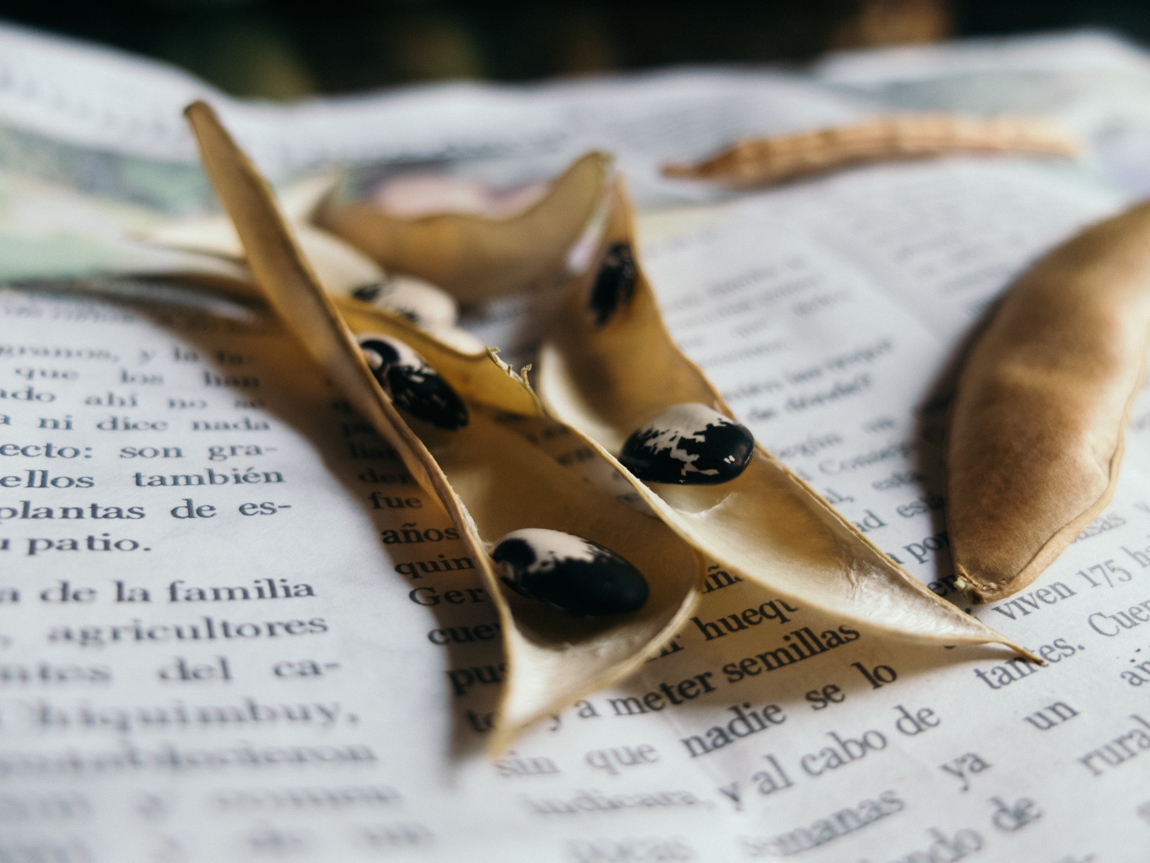
    Mi inexperiencia me hizo pensar que ya con la cosecha de los Frijoles Cuarentones se acababa el proceso, pero resulta que el almacenaje de las semillas también tiene sus complicaciones, y al Yo no hacerlo apropiadamente a muchas de las semillas les cayeron gorgojos y se las estaban comiendo.

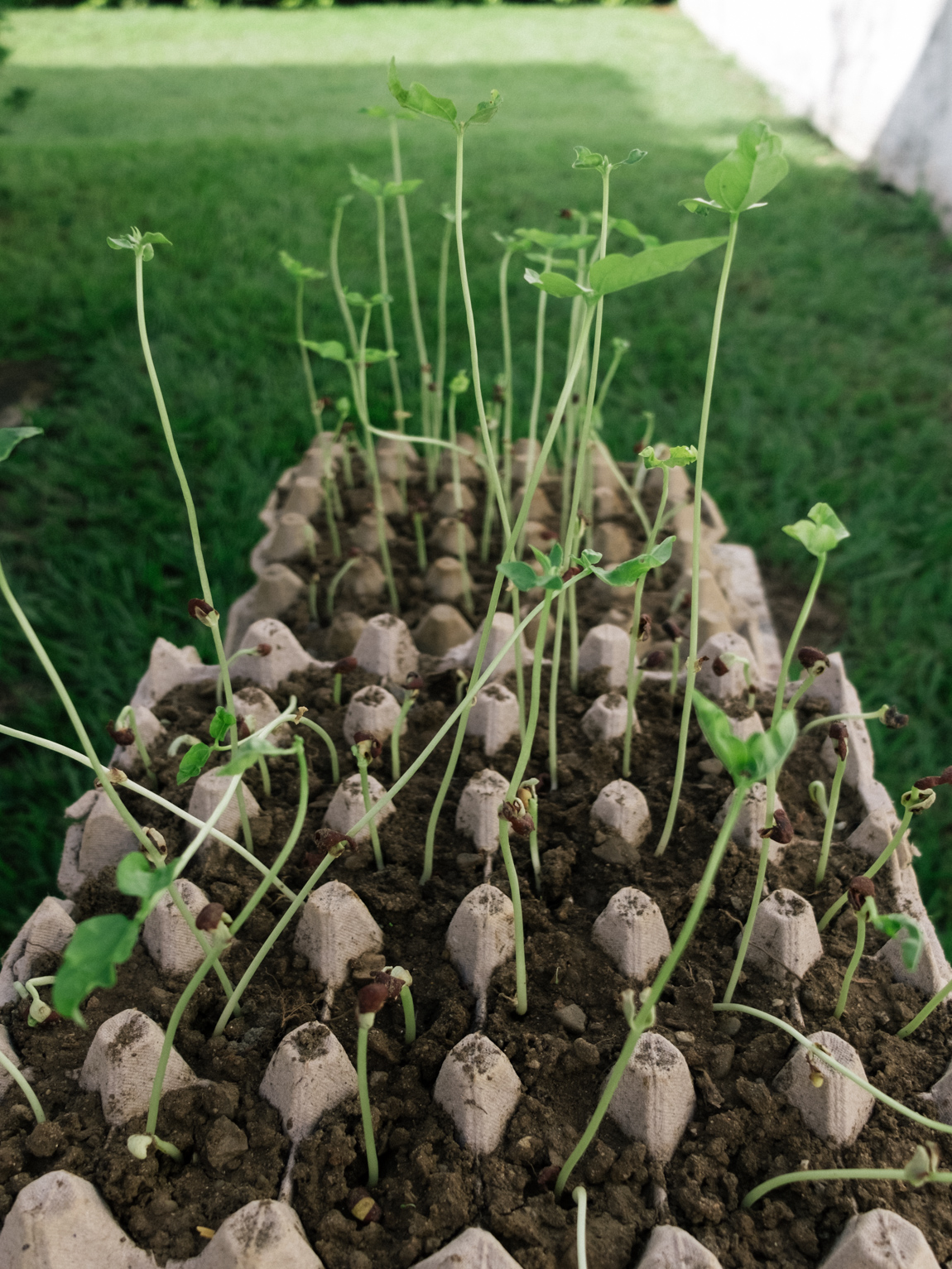
    Afortunadamente me di cuenta a tiempo y el mal no llegó a mayores, y gracias a los consejos de mis asesores pude rescatar las semillas perforadas y ya estoy en proceso de germinarlas para empezar ahora una siembra más extensa de Cuarentones.

    English

    My inexperience made me think that already harvesting the forties beans the process was finished, but it turns out that storing the seeds also has its complications, and I do not do it properly and many of the seeds were eaten by weevils.

    Fortunately I noticed in time and wrong did not reach major, and thanks to my advisers I could rescue the perforated seed and now I am in process to begin the germinate for a more extensive growing of forties beans.

    more of this content on my social networks

    Share

  • El Progreso de las Tapiramas

    El Progreso de las Tapiramas

    El Progreso de las Tapiramas

    Español

    (English after)

    Las Tapiramas siguen creciendo, luego del final de los Frijoles Cuarentones, han tomado todo el jardín, y por fin empiezan a aparecer las primeras flores y algunas vainas de semillas, ya no puedo esperar para cosechar.

    English

    The Tapiramas continue to grow, after the end of the forties beans, they have taken the whole garden, and finally begin to show the first flowers and some seed pods, I can not wait to harvest.

    more of this content on my social networks

    Share

  • La Cosecha de Los Frijoles Cuarentones

    La Cosecha de Los Frijoles Cuarentones

    La Cosecha de Los Frijoles Cuarentones

    Español

    (English after)

    Otra tarde en el jardín, nada más.

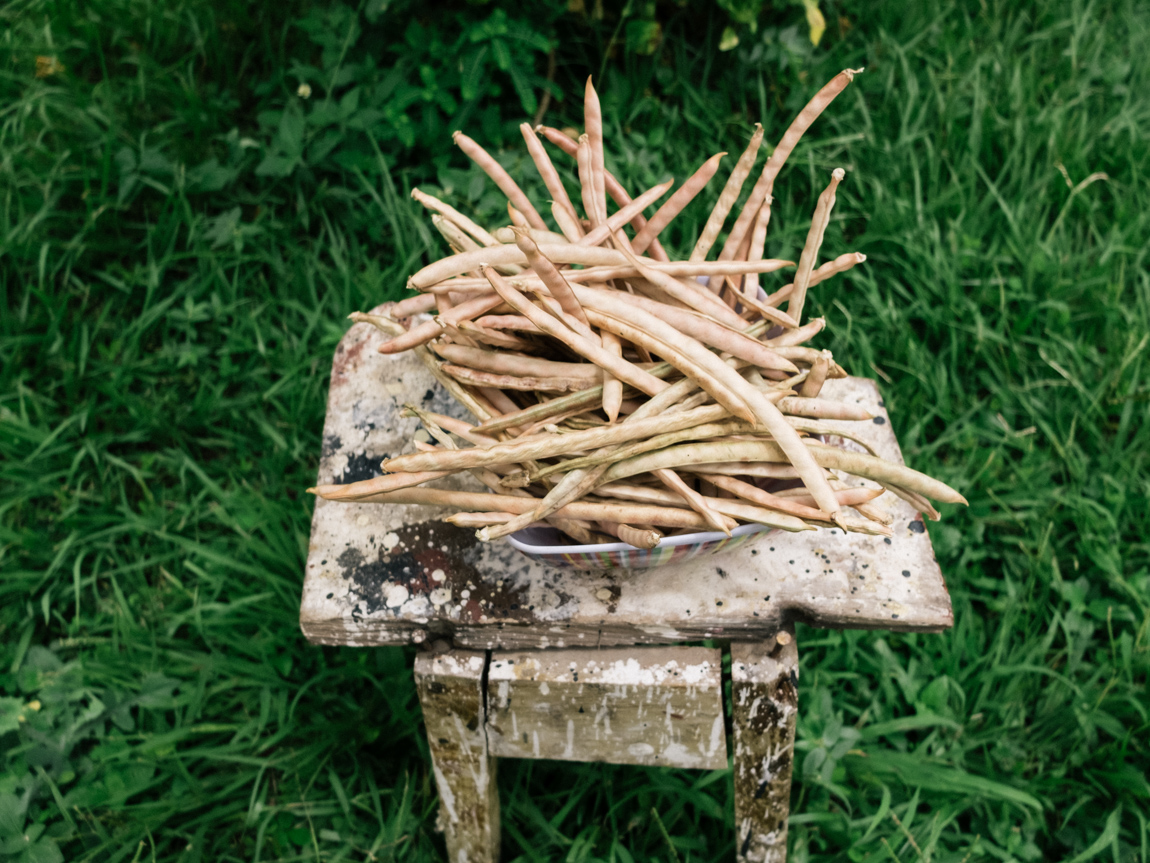
    Una mañana me desperté y como siempre salí al jardín a ver mis plantas, y me encuentro con la sorpresa de que la planta de frijoles cuarentones estaba totalmente marchita, casi muerta, realmente una sorpresa.

    No lo podía creer, rápidamente fui a llamar a mi asesor de la cosecha, pero me dijo que era normal, ya la planta había dado todos sus nutrientes a las semillas y parte los había devuelto a la tierra, ya un ciclo se había cerrado, misión cumplida, había sembrado y cosechado mi primera planta en mi vida.

    Ahora quedan todavía las plantas principales, las Tapiramas, espero que en cualquier momento empiecen a cargar semillas.

    English

    Another afternoon in the garden, nothing more.

    One morning I woke up and as always I went to the garden to see my plants, and I find the surprise that the Cuatentonas beanstalk was totally wilted, almost dead, really a surprise.

    I could not believe it, I quickly went to call my harvest advisor, but he told me it was normal, already the plant had given all their nutrients to the seeds and some had returned to earth, a cycle had closed, mission accomplished, I had planted and harvested my first plant in my life.

    Now there are still the main plants, the Tapiramas, I hope that at any moment they begin to load seeds.

    more of this content on my social networks

    Share

  • Las Tapiramas y la Lucha Contra las Plagas

    Las Tapiramas y la Lucha Contra las Plagas

    Las Tapiramas y la Lucha Contra las Plagas

    Español

    (English after)

    Otra tarde en el jardín, nada más.

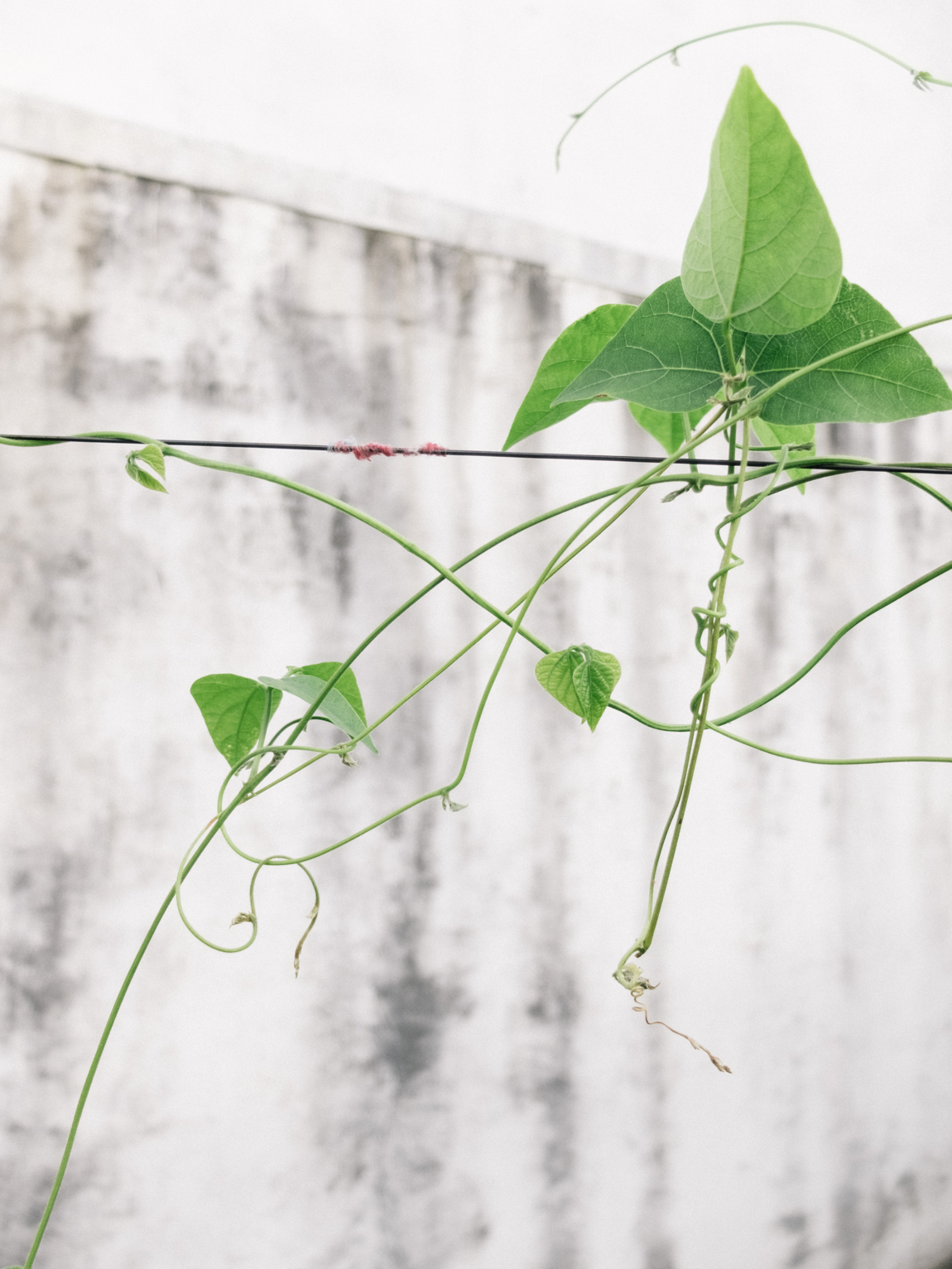
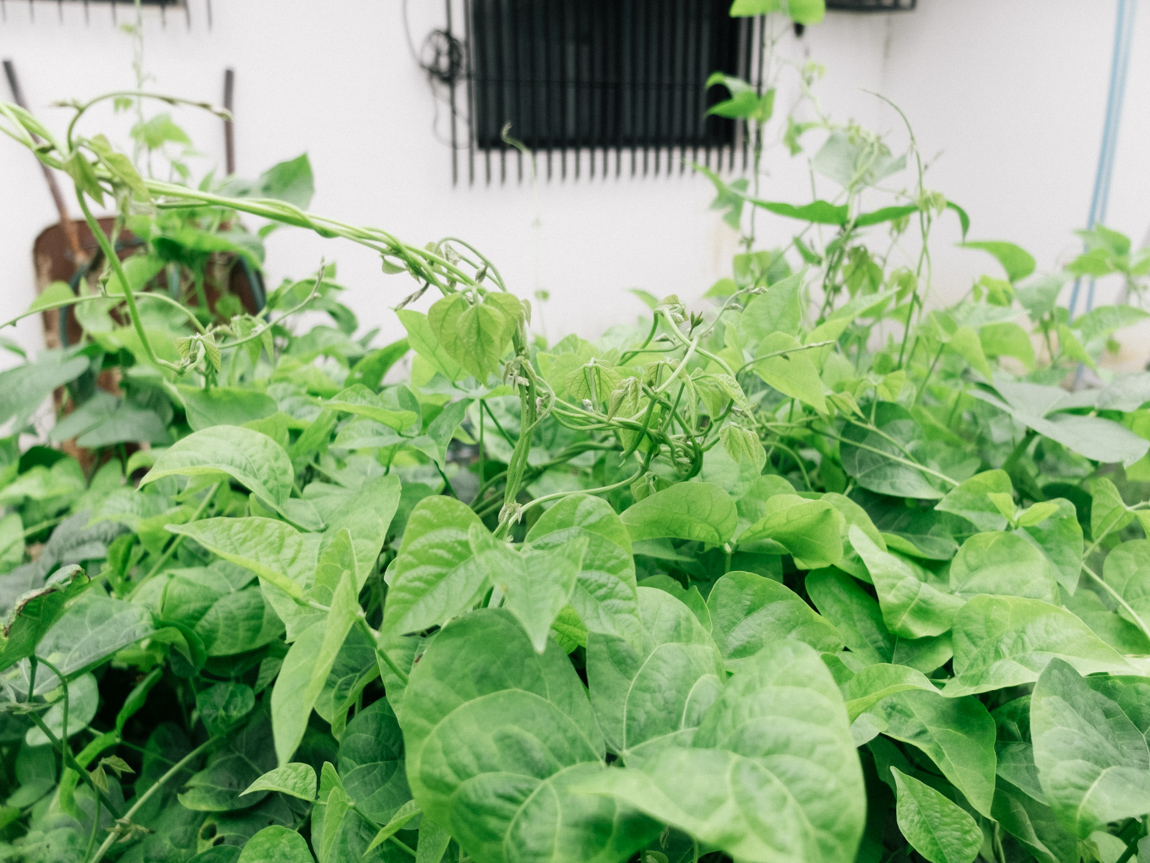
    Segundo mes de la siembra de Tapiramas y Frijoles Cuarentones, ya las plantas son como un pequeño monstruo, han crecido mucho y toman camino entre las líneas de colgar la ropa y hacia las rejas de las ventanas, mis padres temen que cubran la casa.

    Este último mes ha sido de desafíos, mientras van creciendo las plantas han llamado la atención de diferentes insectos que quieren alimentarse de ellas, manualmente logre eliminar una colonia de hormigas, y con mucha paciencia estoy controlando una invasión de pulgones negros (Aphis fabae) entre otras plagas, como soy nuevo en esto he tenido que probar diferentes métodos naturales, algunos funcionan, la mayoría no resultan, pero sigo en la investigación y voy descubriendo lo complejo de tener cosechas.

    Pero las satisfacciones son mayores, ya la planta de Cuarentones empezó a dar flores y a crecer las primeras vainas, ciertamente haciendo honor a su nombre.

    English

    Another afternoon in the garden, nothing more.

    The second month of my crop of Tapiramas and Forties Beans, and already the plants are like a little monster, have grown far and take way between the lines we use to hang clothes, and to the bars of the windows, my parents are afraid they can take all over the house.

    This last month has been challenging, as the plants grow have attracted the attention of different insects that want to eat them, manually I managed to eliminate an ant colony, and patiently I’m controlling an invasion of Black bean aphid (Aphis fabae) among other pests, as I’m new at this I had to try different natural methods, some work, most are not, but I’m still in the research and I discovered how complex farming is.

    But the rewards have been greater, the Forties beanstalk began to grow flowers and the first pods, certainly lives up to its name.

    more of this content on my social networks

    Share

  • El Progreso de las Tapiramas

    El Progreso de las Tapiramas

    El Progreso de las Tapiramas

    Español

    (English after)

    Ya ha pasado un mes desde que sembré las semillas de Tapirama (Sembrando las Tapiramas), todas las mañanas cuando despierto lo primero que hago es ir a ver las plantas, estoy fascinado como todos los días le encuentro más detalles, como van creciendo tan rápido, las 6 plantas ya son una sola, enredadas en sí mismas.

    Acá en Venezuela la temporada de sequía se ha extendido más de lo normal por El Niño (calentamiento global) y tengo que prestar extra atención al riego y al cuidado de las plantas, lo que me tiene pasando mucho tiempo en el jardín.

    English

    It’s been a month since I planted the seeds of Tapirama (Planting the Tapiramas), all mornings when I wake up first thing I do is go see the plants, I’m fascinated how every day I find more details, how they grow so fast, all 6 plants are already one, matted in themselves.

    Here in Venezuela the dry season has spread more than usual because of El Niño (global warming) and I have to pay extra attention to the care and irrigation, what has me spending long time in the garden.

    more of this content on my social networks

    Share

  • Sembrando las Tapiramas

    Sembrando las Tapiramas

    Sembrando las Tapiramas

    Español

    (English after)

    Como conté antes (Empezando la Siembra de Tapiramas), la semana pasada empecé una pequeña siembra de semillas Tapiramas y Frijoles Cuarentones, como parte de un plan para rescatar estas semillas nativas de Venezuela que están en peligro de extinción.

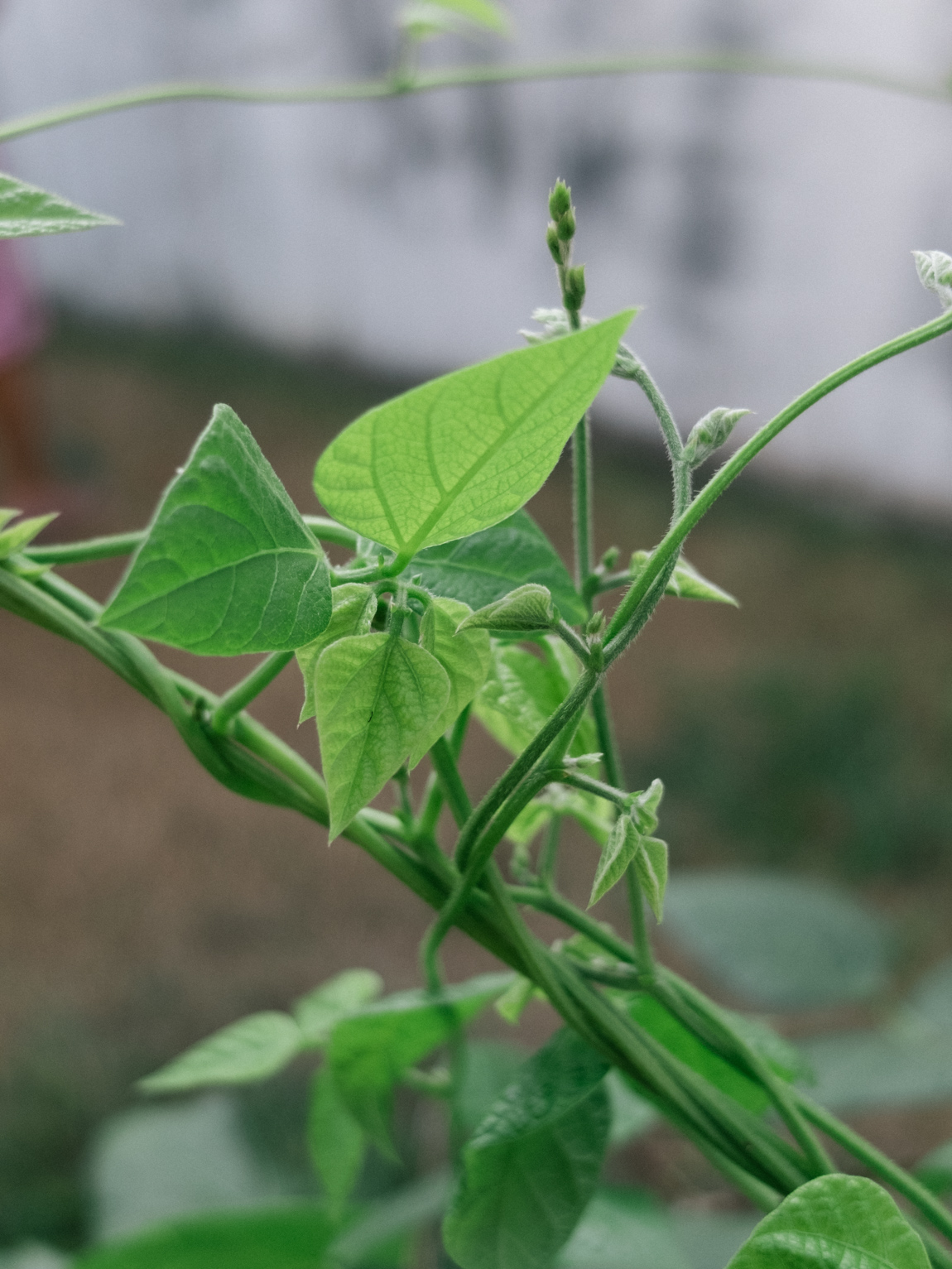
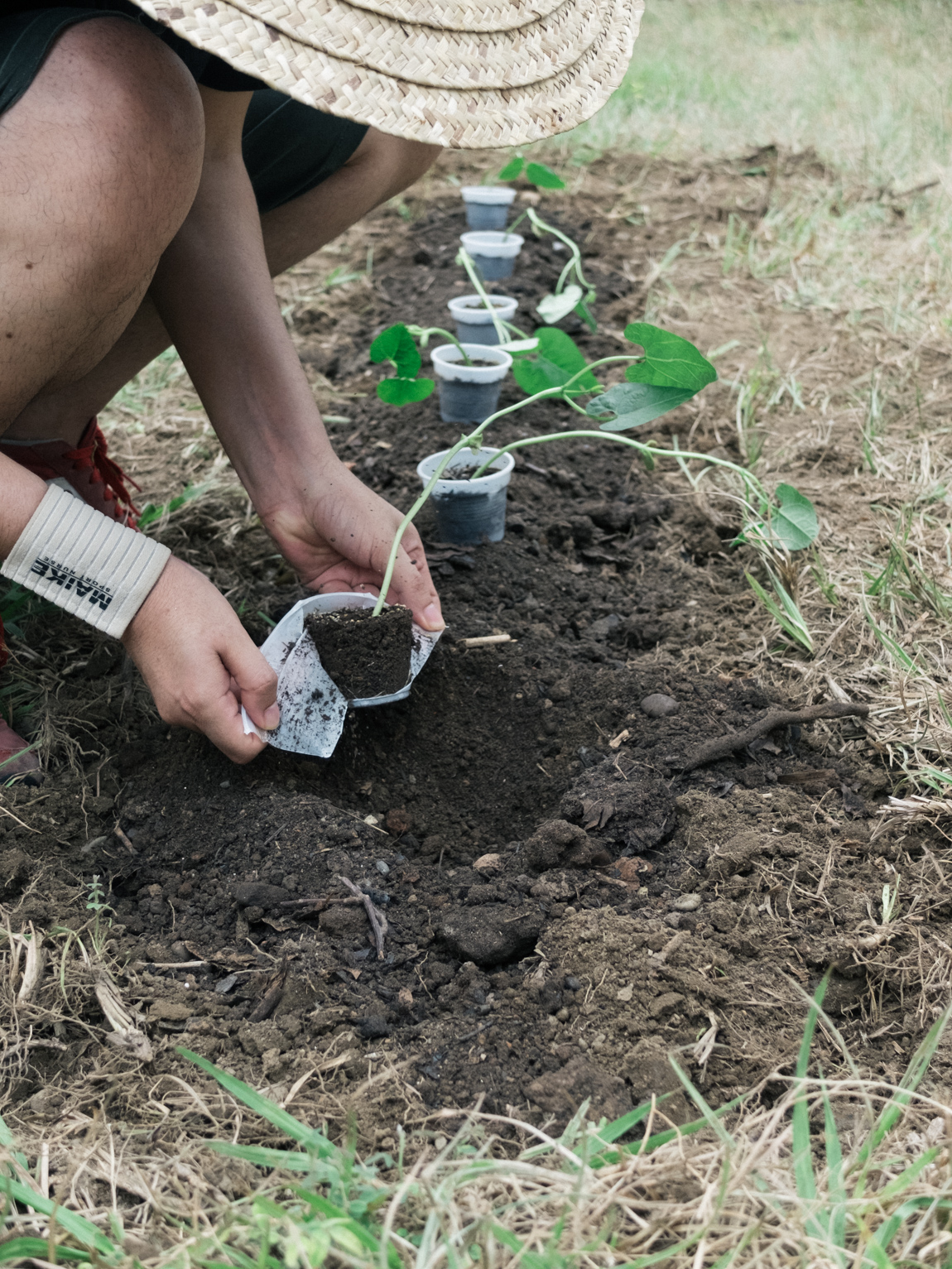
    Primero preparé los semilleros como había aprendido hace tantos años en la escuela, y ya en pocos días las semillas empezaron a germinar y en 5 días las plantas estaban trepando buscando la luz, y listas para trasplantarlas a la tierra.

    Aunque no lo crean preparar el terreno en el jardín fue el primer trabajo fuerte que he hecho en mi vida con mis manos (digo fuerte para no confundirlo con las manualidades que he hecho relacionadas a mi trabajo), en apenas unas horas escarbando la tierra, haciendo el espacio en en el césped del jardín mis manos estaban llagadas, rotas, llenas de vejigas y de sangre.

    Pero a pesar de esto quería hacer Yo mismo el trabajo y no esperar que viniera el jardinero como decía mi padre, quería experimentar todo el proceso, sentirme humano y hacer lo que mis ancestros habían hecho desde el principio, si no para mi iba a ser lo mismo que ir a comprar los granos al mercado.

    Y fue muy satisfactorio, preparar la tierra, sacar las plántulas de los germinadores y sembrarlas, fue un proceso casi espiritual, me sentí observado por alguna diosa o divinidad de las cosechas o la fertilidad.

    Ya las plantas están en la tierra y ahora viene el proceso de cuidarlas y verlas crecer e imaginarme el sabor que van a tener en la comida.

    English

    As I told before (Starting the planting of Tapiramas), last week started a small growing of seeds of Tapiramas and Forties Beans, as part of a plan to rescue these native seeds of Venezuela that are in danger of extinction.

    First I prepare the seedbeds as I had learned many years ago in school, and already in a few days the seeds began to germinate and in 5 days the plants were climbing seeking for light, and ready to transplant them to the ground.

    Believe it or not prepare the ground in the garden was the first hard work I’ve done with my hands in my life (I say strong not to be confused with the handcrafts I’ve done related to my work), in just a few hours digging the earth, making space on the garden lawn my hands were blistered, broken and filled with blisters and blood.

    But despite all this I wanted to make the work by myself and not wait the gardener to come as my father said, I wanted to experience the whole process, feeling like human being and do what my ancestors had done since the beginning, if not, for me it would be the same as going to buy the beans in the market.

    And it was very satisfactory, prepare the soil, remove the plantlets from the seedbeds and sow them, was an almost an spiritual process, I felt seen by some goddess or divinity of harvests and fertility.

    Already the plants are in the ground, and now comes the process of care for them and watch them grow, and imagine the taste that will have on food.

    more of this content on my social networks

    Share

  • Empezando la siembra de Tapiramas

    Empezando la siembra de Tapiramas

    Empezando la siembra de Tapiramas

    Español

    (English after)

    Aprovechando el tiempo que estoy pasando en la casa de mis padres decidí crear un pequeño huerto en la parte de atrás del jardín de la casa, un espacio que casi no se usa y en el que siempre había pensado que debería sembrarse algo (o hacerse una piscina).

    Todo empezó con la visita de José Roberto Duque, escritor y periodista ahora dedicado a la vida en el campo y  amigo de la familia, quien trajo de las montañas de Barinas unas semillas de Tapiramas, una leguminosa silvestre originaria de Venezuela y en peligro de extinción, un grano muy bonito que coloquialmente llaman “vaquita”, por ser de manchas negras y blancas, acá la historia completa de estas semillas: Sobre la comunidad que decidió comer potaje gratis. También nos regaló otra variedad, el fríjol cuarentón, porque se supone está listo para cosechar en apenas 40 días.

    Esta es una iniciativa de la Comuna Socialista, Agroturística y Cafetalera Pie de Monte Andino Barinés de la que José Roberto es integrante y de la Oficina de Atención al Ciudadano del Instituto Venezolano de Investigación Científica (IVIC), y parte del Plan para la Siembra Urbana que está incentivando el gobierno nacional para ayudar a crear una cultura de cultivo local y orgánico.

    Con el entusiasmo de trabajar con mis manos, ayudar a la propagación de estas semillas en peligro de extinción, y la ilusión de cocinar un producto natural sembrado por mi mismo, empecé a hacer los semilleros y prepararme para unos meses de cultivo y de nuevas experiencias.

    No hacía semilleros desde que era muy niño y nos enseñaron a hacerlos en la escuela, nada muy dificil y recordaba todos los pasos, aunque siempre hice alguna búsqueda en internet para estar seguro.

    Y ya una semana después las plántulas están creciendo muy rápido y están listas para trasplantarlas al suelo.

    English

    Making the most of the time I am spending in the house of my parents I decided to create a small orchard in the back of the garden of the house, a space that is rarely used and in which I had always thought it should be grown something (or get a pool).

    It all started with the visit of
    Jose Roberto Duque, writer and journalist now dedicated to life in the countryside and a family friend, who brought from the mountains of Barinas some seeds of Tapiramas, a native Venezuela and endangered wild leguminous, a very beautiful bean colloquially called “vaquita” (little cow), for being of white and black patches. He also gave us another variety, forties beans, called because it is supposed to be ready to harvest in just 40 days.

    This is an initiative of the
    Socialist Commune Pie de Monte Andino of which Jose Roberto is member, and the Office of Citizen Services of the Venezuelan Institute of Scientific Research (IVIC), and part of the Urban Plan for Seeding that it is encouraging the national government to help create a culture of local and organic farming.

    With the enthusiasm of working with my hands, help spread these endangered seeds, and the illusion of cooking a natural product planted by myself, I began to make the hotbeds and prepare for a few months of growth and new experiences.

    I did not make hotbeds since I was a child and taught us to make them in school, nothing very difficult, and I remembered all the steps, although anyway I did a little research on the internet to be sure.

    And already a week later the seedlings are growing very fast and are ready to transplant them to the ground.

    more of this content on my social networks

    Share

Top