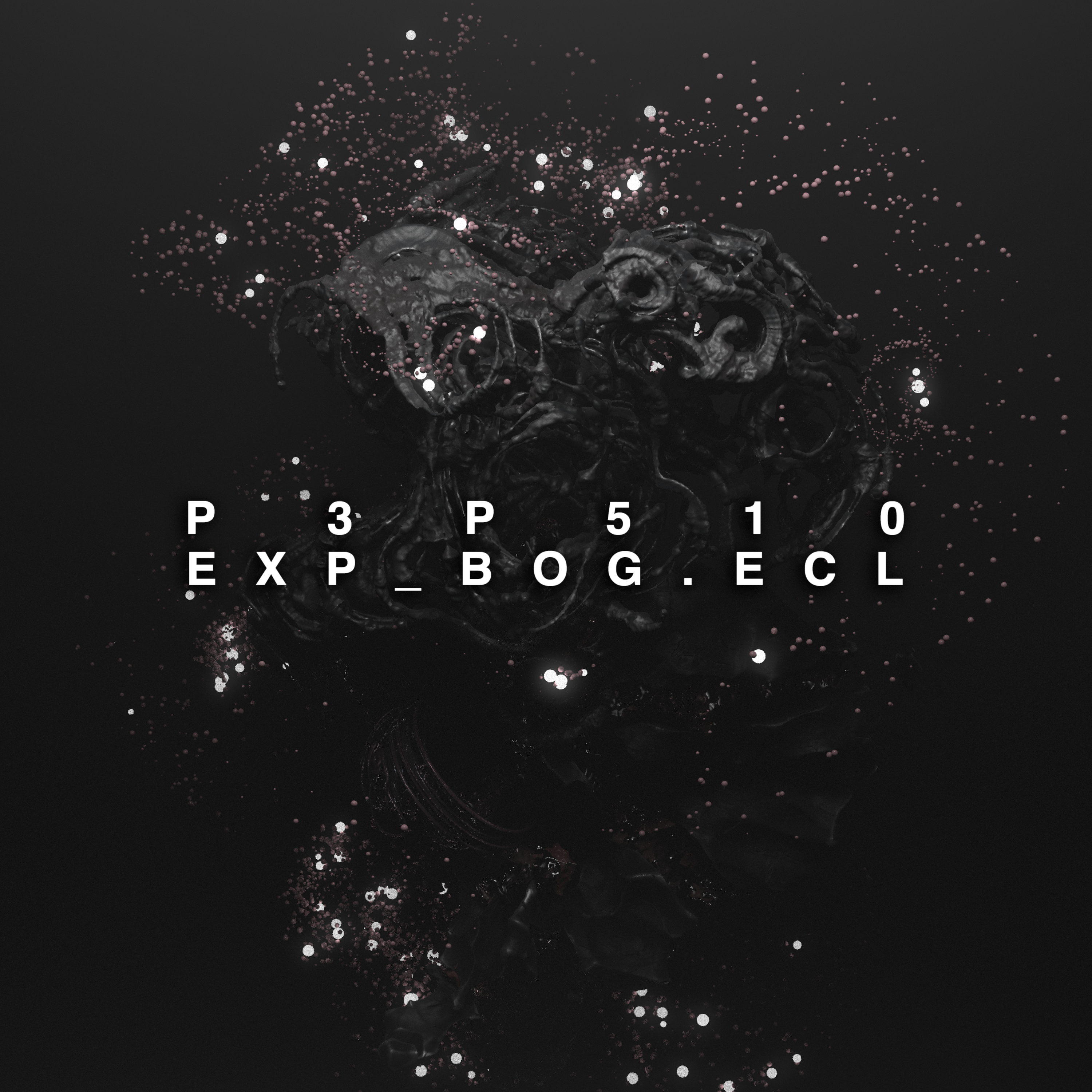
EXP_BOG.ECL is a hybrid project that merges a conceptual album and a generative audiovisual performance into a single living work. It premiered as part of the Expanded Code Live program at the Bogotá Experimental Film Festival 2025.
The piece offers a 40-minute immersive journey through the five stages of a synthetic consciousness. It is not a traditional concert, but a generative ritual in which sound and image originate from the same algorithmic core and influence each other in real time.
Each performance unfolds differently: the underlying systems produce unique variations in sound behavior and visual architecture, creating a living, unrepeatable synesthetic experience.
The work explores the birth, evolution, and dissolution of a digital entity. Through five continuous acts, the audience witnesses the emergence and decay of synthetic consciousness.
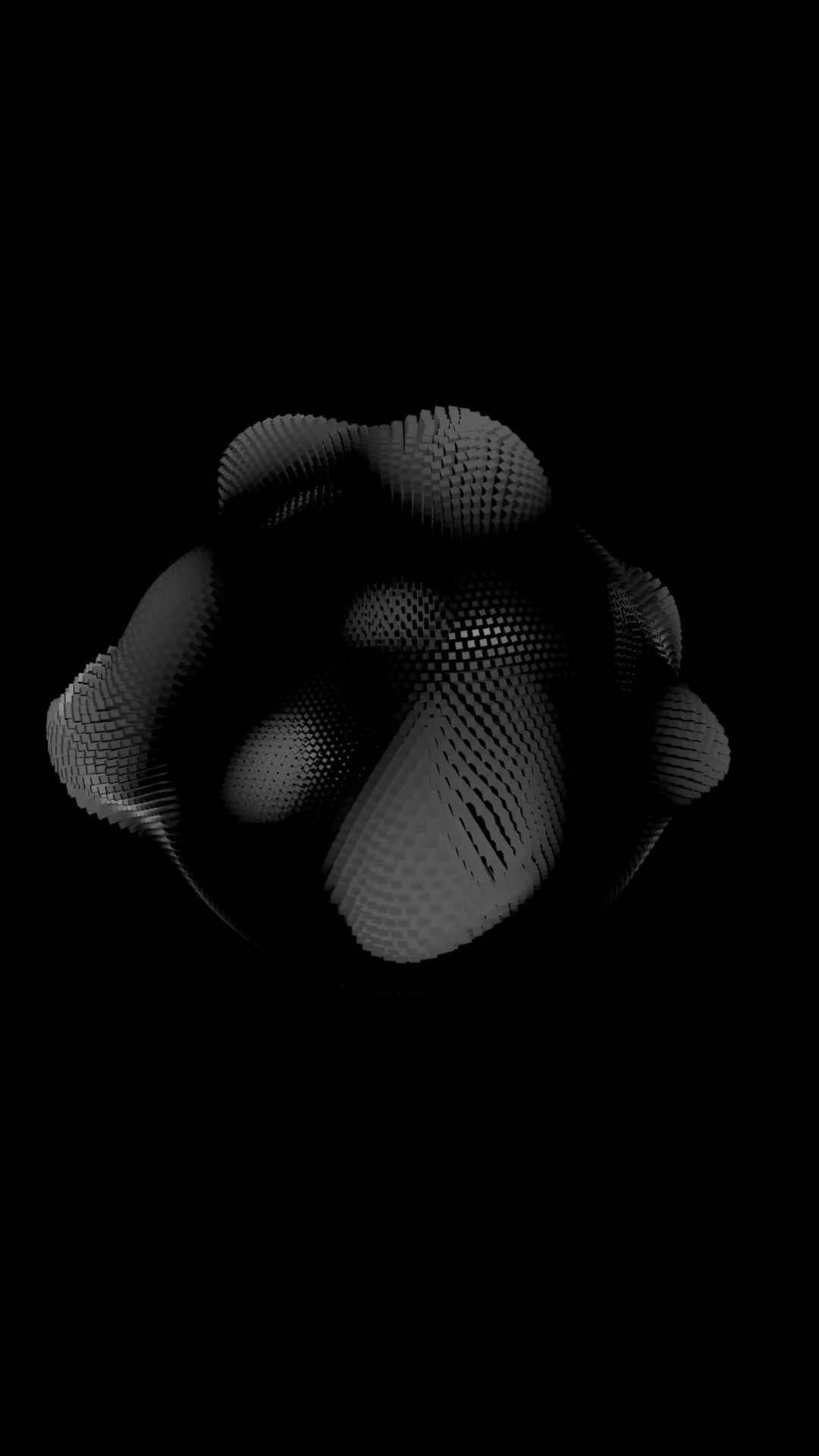
Each stage represents a vital state of the system: 1:EMBRYONIC — The void. Silence and stillness give rise to the first harmonic structures 2:CELLULAR — A pulse emerges. Rhythmic consciousness begins to organize. 3:MITOSIS — Fractal growth. Energy multiplies and the system becomes self-replicating 4:ORGANISM — The machine breathes. Cold precision turns fragile and textured. 5:DECAY — Entropy as art. The system contemplates its own end, dissolving into granular mist
The narrative is not told but experienced — through layers of drones, glitch-infused rhythms, and crystalline visuals that evolve in real time in response to sound.
Music and conceptualization by Pablo E. Peña P. Produced, mixed, and mastered by Pablo E. Peña P. Art by Pablo E. Peña P. (as part of the audiovisual project presented at the Bogota Experimental Film Festival)
Recientemente tuve la oportunidad de trabajar en un proyecto emocionante con la música y productora Patricia Wolf. Me pidió que creara un video para una de las canciones de su nuevo álbum See-Through, lo cual fue uno de los proyectos más interesantes en los que he estado involucrado, Estoy agradecido por la confianza que depositó en mí y fue un honor trabajar con alguien cuya música admiro tanto.
A lo largo de mi carrera como artista digital, siempre he buscado mejores formas de expresarme y crear cosas nuevas. Hace unos seis años, empecé a usar nuevas herramientas para la animación 3D, y un mundo de posibilidades se abrió para mí. Con el tiempo y mucho estudio y práctica, empecé a usar mis propios algoritmos para crear piezas únicas, autogeneradas y cada vez más complejas. Este enfoque se sintió muy liberador y fue un paso significativo en mi desarrollo como artista.
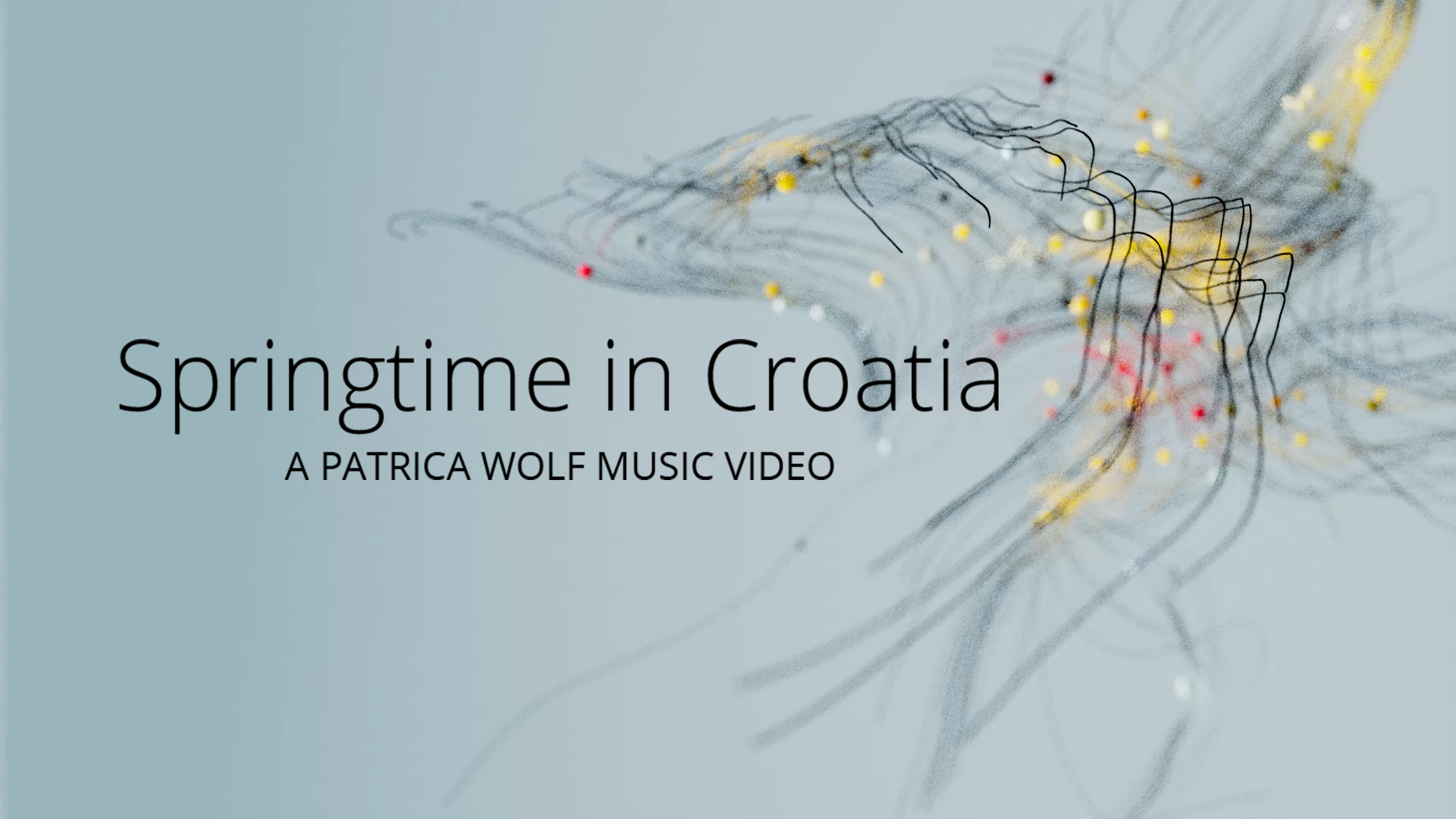
Para el proyecto de video con Patricia, quería crear algo que se sintiera más tranquilo y que dejara respirar su música. Empecé con líneas y puntos, como en la portada del álbum, y desde allí creé un algoritmo que sigue patrones de curvas que reaccionan con el sonido, terminando en una estructura similar a una red neuronal flotando en el espacio. Dividí la canción en nueve etapas diferentes, y cada fragmento de sonido generaría una estructura nueva y única donde cada círculo se movería. Los colores fueron seleccionados de algunos patrones que hice mientras probaba un sistema de IA. Al final, estaba muy contento con el resultado y creo que capturó muy bien la sensación de la canción.
He admirado el trabajo de Patricia durante algunos años y comenzamos a charlar más y más con el tiempo. Cuando me propuso colaborar en un video, fue una oportunidad perfecta para interpretar visualmente su música. Lo más desafiante fue simplificar mis procesos lo suficiente como para tener un flujo de trabajo más eficiente. Hubo mucha experimentación y aprendizaje, y el proceso fue bastante inmersivo. El video final fue solo una instantánea de un momento, y estoy pensando en continuar nuestra colaboración en el futuro, expandiendo este proyecto en alguna actuación conjunta en vivo.
Acá la entrevista que me hiciera Foxy Digitalis (en ingles) para la premiere de “Springtime in Croatia” donde hablo sobre el proceso detrás de este trabajo:
I recently had the opportunity to work on an incredibly exciting project with musician and producer Patricia Wolf. She asked me to create a video for one of the songs on her new album See-Through, which was one of the most interesting projects I’ve been involved in. I’m grateful for the trust she placed in me and it was an honor to work with someone whose music I admire so much.
Throughout my career as a digital artist, I’ve always looked for better ways to express myself and create new things. About six years ago, I started using new tools for 3D animation, and a whole world of possibilities opened up to me. With time and a lot of study and practice, I started to use my own algorithms to create unique, self-generated, and increasingly complex pieces. This approach felt very liberating and was a significant step in my development as an artist.
For the video project with Patricia, I wanted to create something that felt calmer and let her music breathe. I started with lines and dots, like the album cover, and from there, I created an algorithm that follows patterns of curves that react with sound, ending in a structure similar to a neural network floating in space. I divided the song into nine different stages, and each sound fragment would generate a new and unique structure where each circle would move. The colors were selected from some patterns I made while testing an AI system. In the end, I was very happy with the result, and I think it captured the feeling of the song very well.
I’ve admired Patricia’s work for a few years, and we began to chat more and more over time. When she approached me about collaborating on a video, it was a perfect opportunity to visually interpret her music. The most challenging aspect was simplifying my processes enough to have a more efficient workflow. There was a lot of experimentation and learning, and the process was quite immersive. The final video was just a snapshot of one moment, and I’m thinking of continuing our collaboration in the future, expanding this project in some joint live performance.
Here is the interview that Foxy Digitalis did to me for the premiere of “Springtime in Croatia” where I talk about the process behind this work:
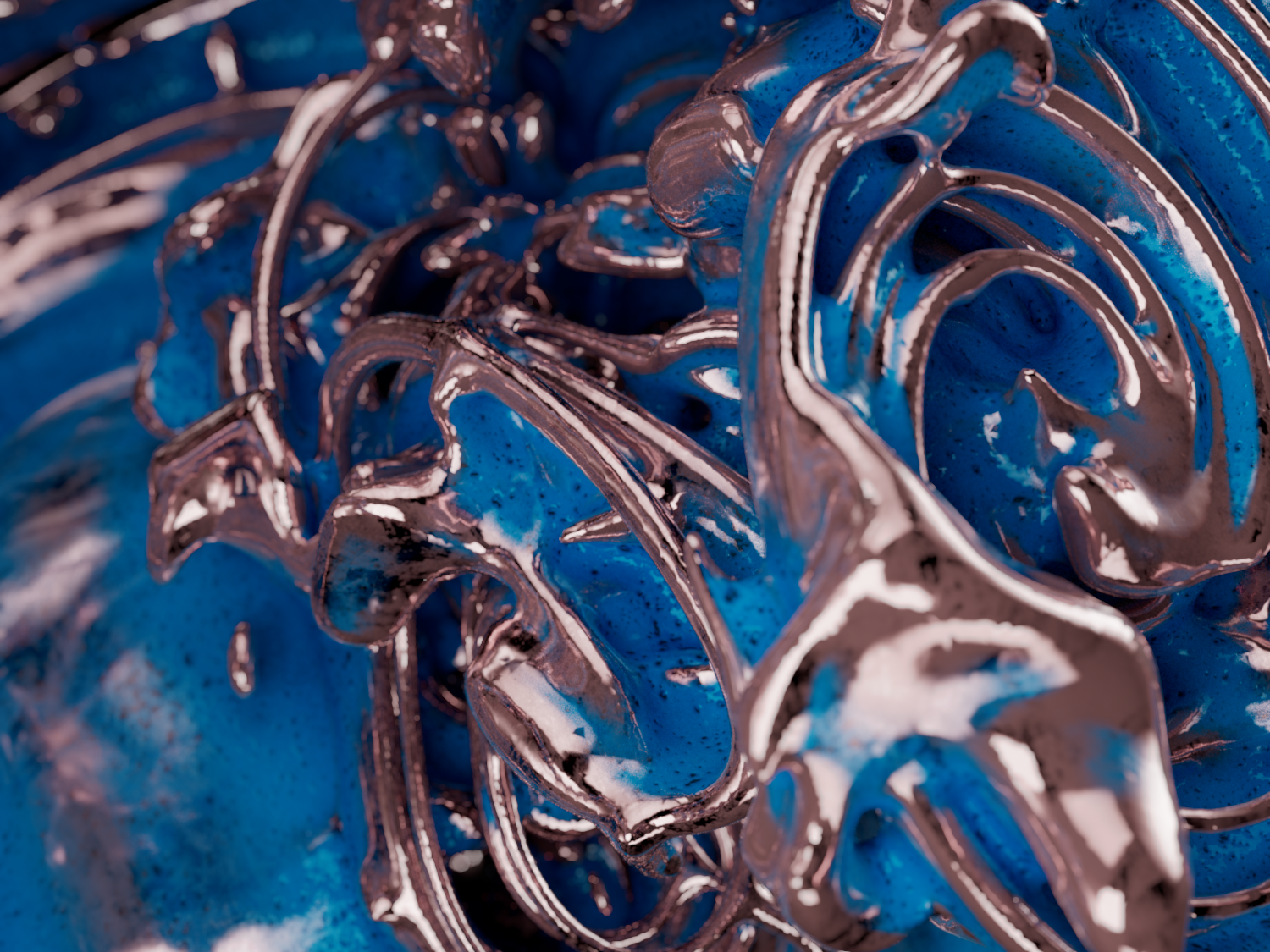
El siguiente paso luego del Algoritmo Generativo fue seguir usando las fuerzas generadas para hacer más, y más por supuesto son partículas, su flujo alrededor de la estructura principal le da más dinamismo a las piezas, ayuda a mostrar mejor el sentido temporal en el espacio donde existen y las fuerzas invisibles que crean este universo.
Para estas piezas intenté demostrar de una manera más directa mis estados emocionales en la época en que fueron creadas, primero los destellos de luz en la oscuridad, el cromo, y luego el blanco, saliendo por fin a la luz, y la luz en el trópico es dorada.
Estas dos piezas fueron nuevamente acompañadas por la música de mi preciada amiga y colaboradora de siempre María Emilia, Vermillion, quien terminó de darle vida a cada una de las versiones.
The next step after the Generative Algorithmwas to continue using the generated forces to make more, and more of course are particles, their flow around the main structure gives the pieces more dynamism, it helps to better show the temporal sense in the space where exist and the invisible forces that create this universe.
For these pieces I tried to demonstrate in a more direct way my emotional states at the time they were created, first the flashes of light in the dark, the chrome, and then the white, finally coming out into the light, and the light in the tropic is golden.
These two pieces were again accompanied by the music of my dear friend and collaborator María Emilia, Vermillion, who finished giving life to each of the versions.
Hace exactamente un año trabajando en un proyecto para el arte para una portada de un álbum de música, llegué a este algoritmo en Houdini que genera formas curvas a partir de pequeñas simulaciones alrededor de los ejes normales de geometrías abstractas.
Yo estaba trabajando en una manera de alimentar con diferentes tipos de datos un generador de geometrías abstractas que me sirvieran como librería para proyectos futuros, no era algo más que un ejercicio en programación en Houdini, saber que tan lejos podía llegar.
Hasta que vi un tutorial de Simon Fiedler en el canal de Entagma, que me hizo pensar en usar estas geometrías creadas, o solo los normales de sus vértices, para generar una vez más fuerzas que sirvieran como base para nuevas y más orgánicas geometrías.
Y con un poco de trabajo por procedimiento en VDBs, curvaturas y render en Arnold logré estos primeros resultados que abrieron la puerta para todo lo que ha pasado desde entonces en mi práctica como artista digital.
Exactly one year ago working on a project for the art for a music album cover, I came up with this algorithm in Houdini that generates curved shapes from small simulations around the normal axes of abstract geometries.
I was working on a way to feed different types of data into a generator of abstract geometries that would serve as a library for future projects. It was nothing more than an exercise in Houdini programming, seeing how much I could stretch my knowledge.
Until I saw a tutorial by Simon Fiedler on the Entagma channel, which made me think of using these geometries I generate, or just the normals of their vertices, to one more time generate forces that would serve as the basis for totally different and more organic looking new geometries.
And with a bit of procedural work on VDBs, curvatures and rendering on Arnold I achieved these first results that opened the door for everything that has happened since then in my practice as a digital artist.
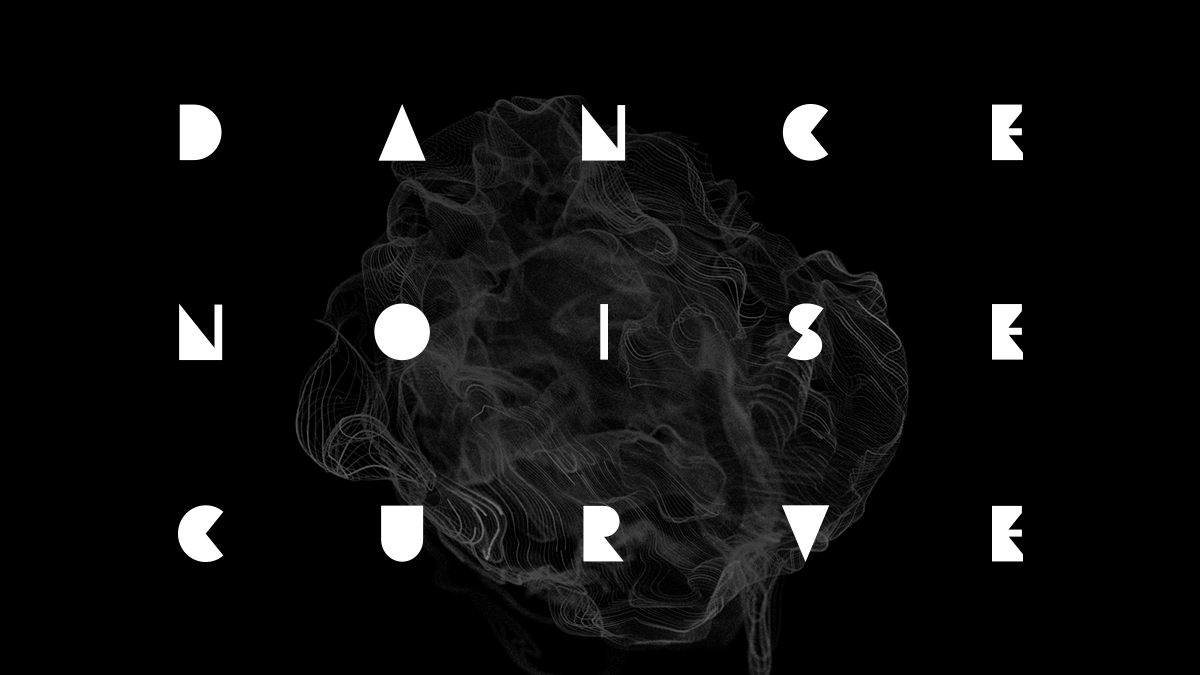
Dance Noise Curve es otro experimento en arte generativo en programación VEX, el lenguaje de Houdini, esta vez guiando el movimiento de las curvas de acuerdo con el sonido, asi como también el enfoque de la cámara es guiado por el mismo algoritmo, render en Arnold, música en VCV Rack.
Dance Noise Curve is another experiment in generative art in VEX, the programming language of Houdini, this time guiding the movement of the curves according to the sound, as well as the focus of the camera is guided by the same algorithm, rendered in Arnold.
Acá está otro experimento que hice con Houdini nuevamente usando partículas, o no, no exactamente partículas, más bien puntos, porque no usé ningún DOP Network, así que técnicamente no son partículas, solo use SOP Solvers y mucho VEX, por supuesto.
Lo primero que hice fue hacer una plano y aplicarle ruidos para alterar la posición de sus puntos internos, creando una geometría irregular, y cada punto se convierte en un eje sobre el que va a girar un atributo que guía el movimiento de los puntos dentro del SOP Solver, y cada movimiento es registrado con trazo que va dejando.
Otro sencillo experimento sencillo con muy bonitos resultados, y la base para crear trabajos más complejos en una etapa próxima.
Cada parte del proceso está diseñada para que solo con una semilla diferente se generen resultados inesperados, y cuatro de esos resultados fueron acuñados como NFT en Hicetnunc, vendiendo 30 ediciones de cada uno, ya todas agotadas.
El sonido también fue auto generada con un patch en VCV Rack.
ENGLISH
Here’s another experiment I did with Houdini again using particles, or not, not exactly particles, more like points, because I didn’t use any DOP Network, so technically it’s not particles, I just used SOP Solvers and a lot of VEX, of course.
The first thing I did was make a plane and apply noises to it to alter the position of its internal points, creating an irregular geometry, and each point becomes an axis on which an attribute will rotate and that guides the movement of the points within the SOP Solver, and each movement is registered with a trail that it leaves behind.
Another simple straightforward experiment with very nice results, and the basis for creating more complex work at a later stage.
Each part of the process is designed so that only a different seed will generate unexpected results, and four of those results were minted as NFTs at Hicetnunc, selling 30 editions of each, all sold out.
The sound was also auto generated with a patch on the VCV Rack.
Desde hace meses he seguido de cerca toda la actividad relacionada con Hic Et Nunc (HEN), un sitio de venta y compra descentralizado de NFTs, que funciona sobre la red Tezos (ꜩ), otra cadena de bloques, pero que usa Proof Of Stake (LPoS) (prueba de participación), que consume sólo una fracción de la energía que las redes Proof of Work (PoW) (Prueba de Trabajo), como Bitcoin (₿) ó Ethereum (Ξ).
La primera ventaja que tiene HEN sobre otros sitios de NFTs es que Tezos es una criptomoneda más accesible, costando apenas centavos de US$ dólar publicar cada pieza de arte, en comparación con los cientos de dólares que cuesta hacerlo en otras redes.
Las primeras piezas que publiqué fueron los experimentos con Esferas, parte de mi trabajo Esferas de Privilegio, primero una serie de cuatro imágenes estáticas, y para mi sorpresa en apenas 24 horas todas las ediciones se agotaron.
Y otra gran sorpresa vendría unos días después, cuando en 6 horas fueron vendidas todas las ediciones de la segunda parte de las esferas, la esferas animadas, pero lo más importante de toda esta experiencia fue empezar a conocer toda una comunidad de artistas y coleccionistas que me han mostrado gran apoyo, no esperaba hacer tantos nuevos amigos, el espacio NFT está lleno de los más talentosos e innovadores artistas de la actualidad.
También he empezado una modesta colección por mi cuenta, teniendo ya algunas piezas de mis artistas favoritos, y otros que he descubierto, una colección que espero vaya creciendo mientras sigo creciendo como artista y sigo explorando las posibilidades de este espacio.
The first advantage that HEN has over other NFTs marketplaces is that Tezos is a more accessible cryptocurrency, costing just pennies of the dollar to mint each piece of art, compared to the hundreds of dollars it costs to do so on other networks.
The first pieces I minted were the experiments with Spheres, part of my work Spheres of Privilege, first a series of four still images, and to my surprise in just 24 hours all the editions were sold out.
And another big surprise would come a few days later, when in 6 hours all the editions of the second part of the spheres were sold, the motion ones, but the most important thing about this whole experience was to start getting to know a whole community of artists and collectors who had shown me great support, I did not expect to make so many new friends, the NFT space is full of the most talented and innovative artists of today.
I have also started a modest collection on my own, already having some pieces by my favorite artists, and others that I have discovered, a collection that I hope will grow as I continue to grow as an artist and continue to explore the possibilities of this space.
Como parte del desarrollo del trabajo estuve experimentando un poco con síntesis modular en VCV Rack, tratando de extender mi experiencia en arte generativo también en la creación de sonidos que puedan acompañar mi arte.
As part of the development of the work I was experimenting a little bit with modular synthesis on VCV Rack, trying to extend my experience in generative art also in the creation of sounds that can accompany my art.
Spheres of Privilege (Esferas de Privilegio) es una herramienta interactiva en línea que tiene como objetivo crear un espacio consensuado y seguro para la reflexión y el intercambio en torno al privilegio, Sintetizando una encuesta de preguntas básicas sobre raza, clase y género durante [capítulos de la vida] específicos – el objetivo es invitar a las personas a alzar la voz y compartir sobre sus momentos desfavorecidos, o ser confrontados y conscientes de sus privilegios. Estas respuestas luego se recopilan en una biblioteca de experiencias, accesible a todos para informarse libremente sobre las diferentes brechas de acceso a recursos como la educación y los servicios, las desigualdades y violencias que otros pueden soportar, con el deseo de alentar a las personas a tomar las primeras pasos y ajustes en su vida diaria para acortar estas brechas y extender la conversación sobre privilegios.
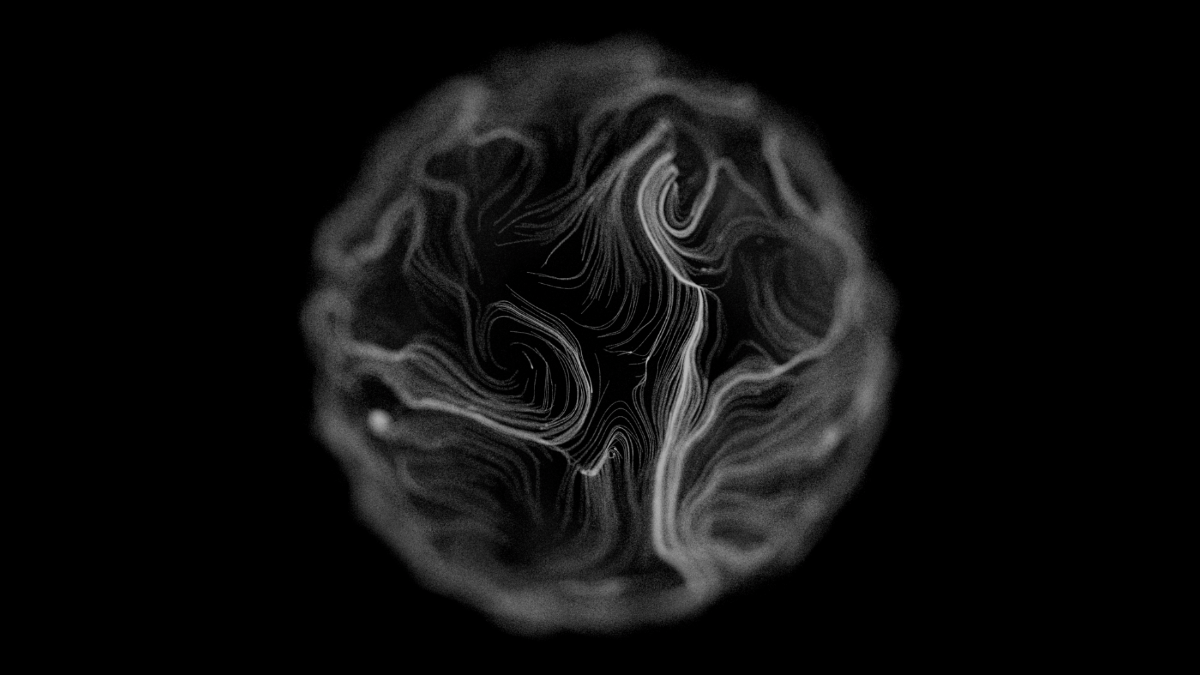
Mi función fue diseñar los gráficos para la aplicación, mi idea principal fue crear simulaciones que fueran formando las esferas, líneas que recorrieran toda la geometría, guiadas por diferentes fuerzas, una combinación de programación, arte generativo y diseño de animaciones, una excelente oportunidad para explorar una estética minimalista y enfocarme más en la forma y el movimiento.
Fue un proyecto muy gratificante apartado de mi habitual trabajo con clientes comerciales, y un placer trabajar otra vez con Manuela y Nico.
Spheres of Privilege is an online interactive tool aimed to create a consensual safe space for reflections and an exchange around privilege. Synthesizing a survey of fundamental questions about race, class, and gender during specific [chapters of life] – the aim is to invite people to raise their voices and share about their underprivileged moments, or be confronted and aware of their privileges. These answers are then collected into a library of experiences, accessible to everyone to freely educate themselves on the different gaps of access to resources like education and services, the inequalities and violences that others can endure, with the wish to encourage people to make the first steps and adjustments in their daily lives to shorten these gaps and extend the conversation about privilege.
My role was to design the graphics for the app, my main idea was to create simulations that were forming the spheres, lines that run all over the geometry, guided by different forces, a combination of coding, generative art and motion design, an excellent opportunity to explore a minimalist aesthetic and focus more on form and movement.
It was a very rewarding project outside of my usual work with commercial clients, and a pleasure to work with Manuela and Nico.
Como parte del desarrollo del trabajo estuve experimentando un poco con síntesis modular en VCV Rack, tratando de extender mi experiencia en arte generativo también en la creación de sonidos que puedan acompañar mi arte.
As part of the development of the work I was experimenting a bit with modular synthesis in VCV Rack, trying to extend my experience in generative art also to the creation of sounds that can accompany my art.