Category: Generative Art

  • Deconstruir mi obra: un nuevo proceso creativo

    Deconstruir mi obra: un nuevo proceso creativo

    Deconstruir mi obra: un nuevo proceso creativo

    Llevo unos meses trabajando en un nuevo proyecto. Por un tiempo, traté, en vano, de crear algo totalmente desde cero, pero el mundo me tiene abrumado. No en lo personal, sino en lo general: creo que nunca había vivido un peor momento en mi vida. Nunca ha sido más claro que hay una lucha entre el bien y el mal y, por muchas razones, estoy en medio de todo esto y no puedo simplemente entrar en mi proceso creativo habitual y aislarme del mundo.

    Mi obra siempre ha sido muy personal, íntima; es mi manera de conectarme con los demás, de revelar un poco de mi mundo interno: ansiedad, depresión, caos y soledad. Pero en el mundo que estamos viviendo siento que sería hasta banal seguir explorando estos temas.

    Me reconozco como una persona política y estoy atravesado por la trágica realidad que vivimos. Pienso en cuál es mi papel como artista, cuál es mi responsabilidad y qué debo hacer desde mi espacio. Me siento parte de la gran mayoría global que está resistiendo y que tiene fe, a pesar de todo el dolor, la tristeza e indignación con la que tenemos que vivir. Así que empecé a reflexionar sobre mi obra y a deconstruirla, a desarmarme a mí mismo y explotar cada parte por sí sola, a experimentar cómo puede crecer desde sí misma. Por primera vez en mucho tiempo, siento que me voy aliviando.

    Este proceso no sé adónde me llevará, ni cuánto tiempo me tomará, pero estoy en un camino nuevo que quiero ir compartiendo en lo que pueda, hacer una documentación e irme conectando con la comunidad de la que soy parte.

    I’ve been working on a new project for a few months now. For a while, I tried—unsuccessfully—to create something entirely from scratch, but the world has me overwhelmed. Not on a personal level, but in a broader sense: I feel like I’ve never experienced a worse moment in my life. It has never been clearer that there is a struggle between good and evil, and for many reasons, I find myself in the middle of it. I can’t simply enter my usual creative process and isolate myself from the world.

    My work has always been very personal, intimate; it’s my way of connecting with others, of revealing a part of my inner world: anxiety, depression, chaos, and solitude. But in the world we are living in, it feels almost banal to keep exploring only these themes.

    I recognize myself as a political person, deeply affected by the tragic reality we are living through. I think about what my role is as an artist, what my responsibility is, and what I should do from my position. I feel part of a global majority that is resisting and holding on to faith, despite all the pain, sadness, and indignation we have to live with. So I began to reflect on my work and deconstruct it—to dismantle myself and break each part apart, to experiment with how each element can grow on its own. For the first time in a long while, I feel a sense of relief.

    I don’t know where this process will lead me or how long it will take, but I know I’m on a new path—one I want to share as it unfolds, to document it, and to connect with the community I am part of.

  • Rocks

    Rocks

    ROCKS

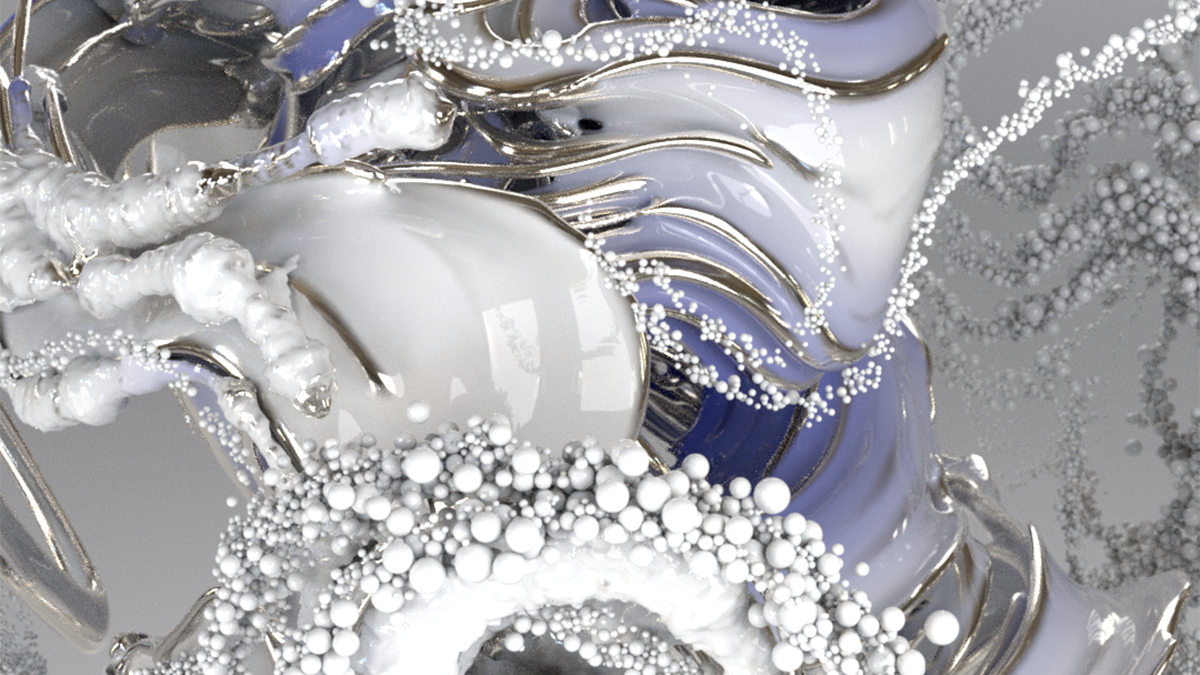
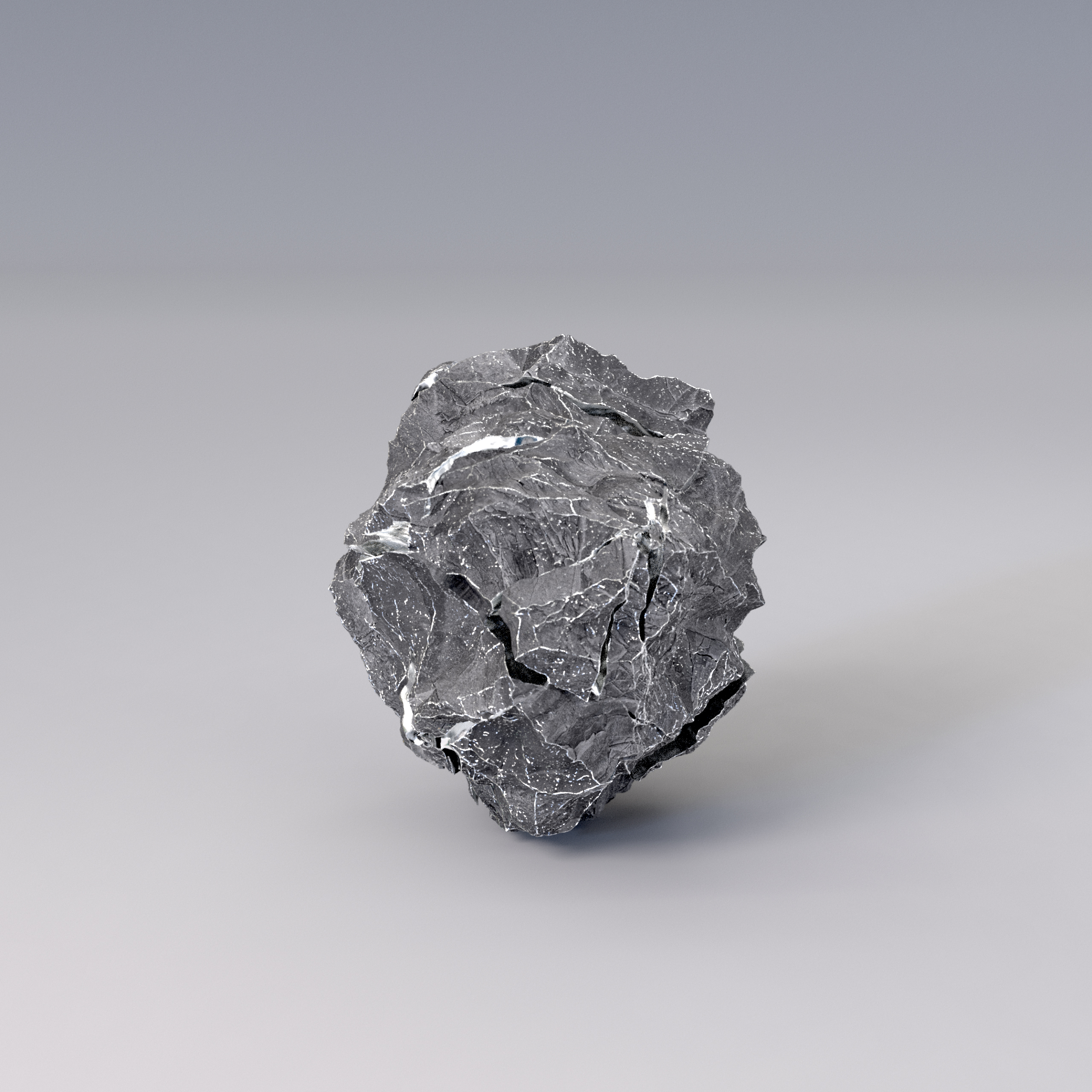
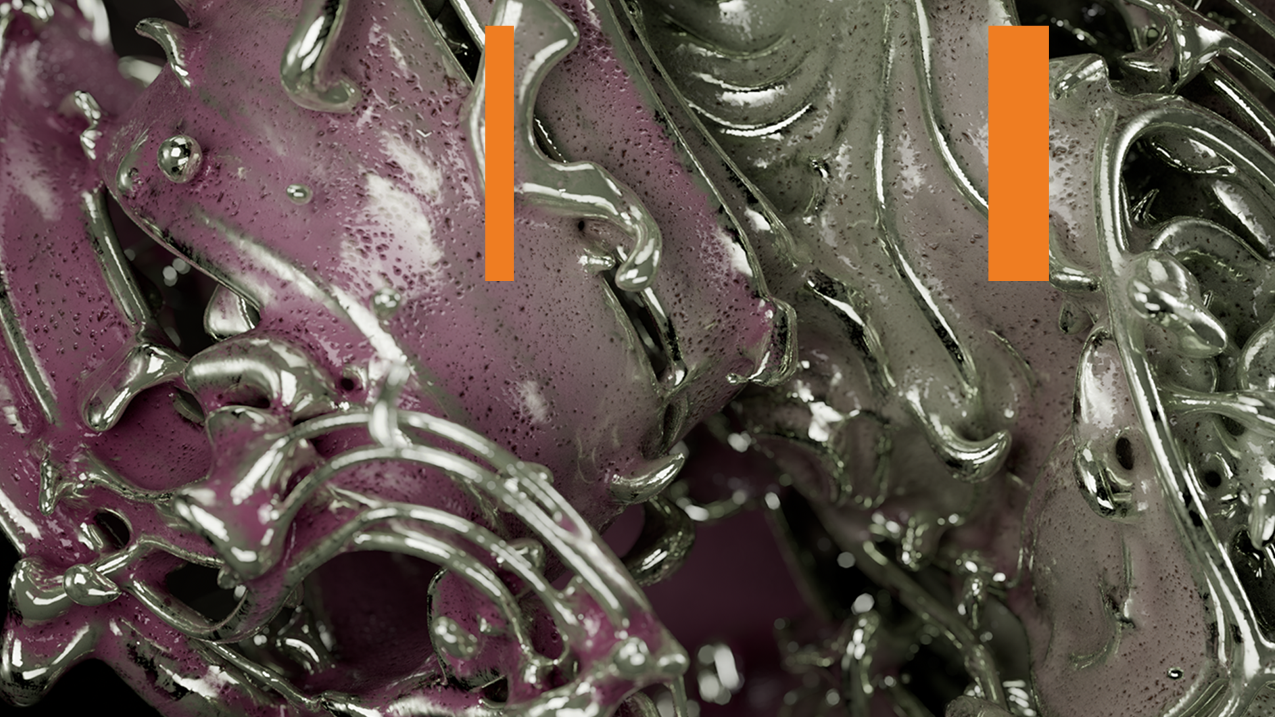
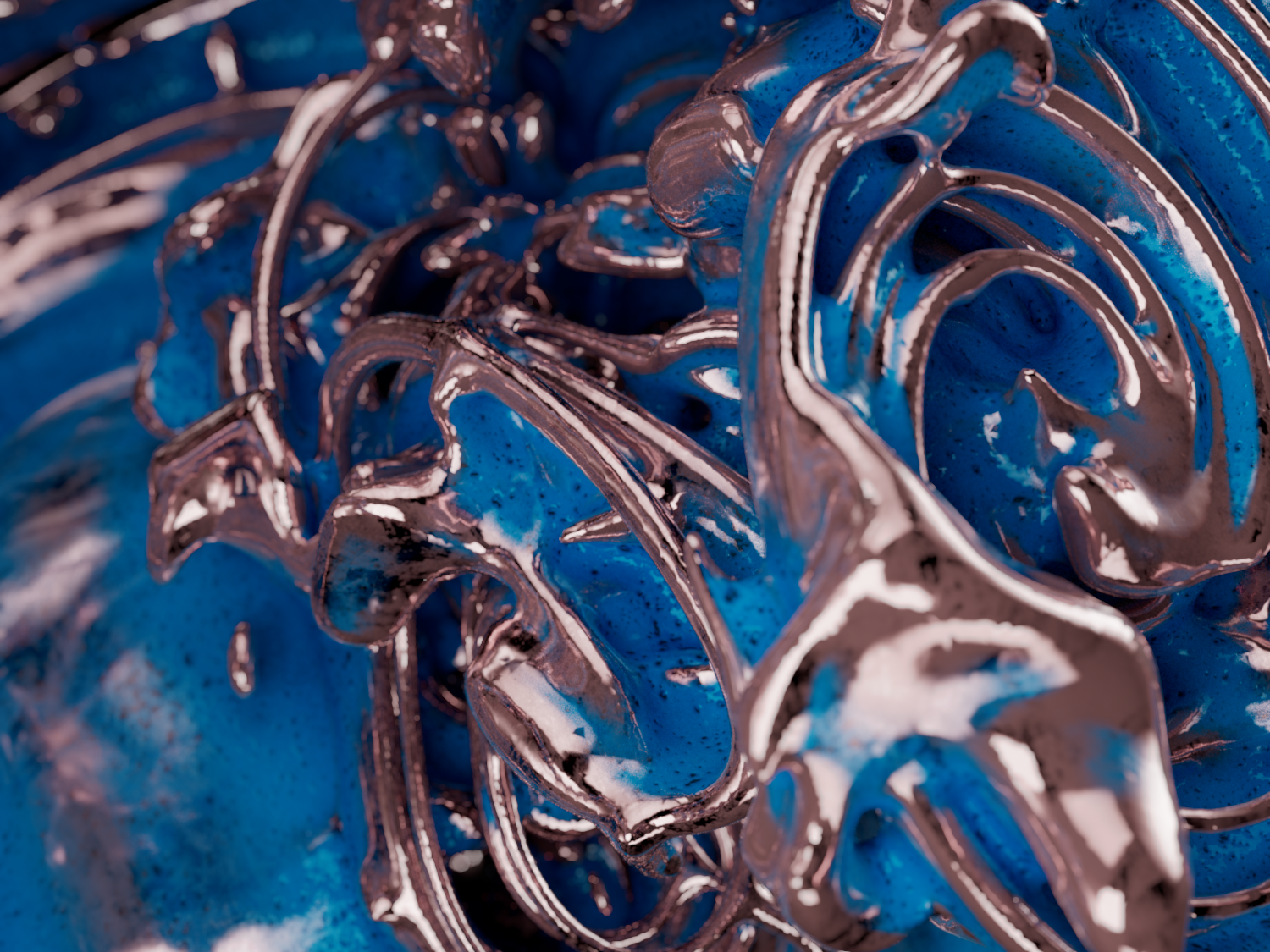
    Hace unos meses para un proyecto comercial en el que estaba trabajando empece a hacer experimentos con simulaciones de fluidos en Houdini, y aunque el proyecto nunca se hizo si me gustaron los experimentos y decidí hacer unos renders de las mejores versiones, pero no quería usar las mismas geometrías básicas con que estuve haciendo las pruebas, así que decidí crear unas rocas por procedimiento y por supuesto siendo Yo cree todo un sistema para hacerlas generativas, aquí van las mejores versiones. El render fue hecho directamente en Houdini usando Karma.

    A few months ago for a commercial project I was working on I started experimenting with fluid simulations in Houdini, and although the project was never made I did like the experiments and decided to make some renders of the best versions, but I didn’t want to use the same basic geometries I was doing the tests with, so I decided to create some rocks procedurally and of course since I am me, I created a whole system to make them generative, here are the best versions. The render was made directly in Houdini using Karma.

  • Expanded Code Live – Audiovisual set

    Expanded Code Live – Audiovisual set

    Hace unos meses, el equipo de Creative Code Art, un colectivo de curadores y artistas digitales con base en Nueva York, me contactó para invitarme a participar con un set audiovisual en su primer evento fuera de Estados Unidos, en colaboración con el Festival de Cine Experimental de Bogotá.

    El programa, titulado Expanded Code Live, reunió a artistas visuales y sonoros de toda América Latina que trabajan con arte y música basada en código. Fue una experiencia increíble compartir con tantos creadores que exploran territorios similares desde perspectivas distintas; sin duda, una gran fuente de inspiración. (Hablé un poco más sobre ellos en otro post).

    A few months ago, the team at Creative Code Art, a New York-based collective of curators and digital artists, invited me to participate with an audiovisual set in their first event outside the U.S., in collaboration with the Festival de Cine Experimental de Bogotá.

    The program, Expanded Code Live, brought together visual and sound artists from across Latin America working with code-based art. It was an incredible experience to connect with creators exploring similar territories from different perspectives — a real source of inspiration.

    Durante buena parte de 2025 había estado experimentando con diferentes sistemas generativos, pero aún sin una dirección clara en lo visual ni en lo conceptual. La invitación llegó en un momento perfecto: poco tiempo para preparar el set, pero justo la presión necesaria para forzarme a definir un lenguaje y cerrar un ciclo de exploración que venía dilatando desde hacía meses.

    El proyecto tomó forma como un viaje audiovisual de cinco movimientos, representando las etapas del ciclo vital de una conciencia sintética: desde su formación hasta su disolución. La idea era que tanto el sonido como la imagen fueran expresiones de un mismo sistema, evolucionando en sincronía y nunca repitiéndose igual.

    Most of 2025, I had been experimenting with different generative systems but without a clear visual or conceptual direction. The invitation came at the perfect time: limited preparation time forced me to define a language and finalize a cycle of exploration I had been extending for months.

    The project took shape as a five-movement audiovisual journey, representing the life cycle of a synthetic consciousness: from formation to dissolution. The goal was for both sound and visuals to emerge from the same system, evolving together and never repeating in the same way.

    Fueron semanas intensas, especialmente en la parte técnica. Me propuse conectar por primera vez mis sistemas de audio y visuales en una sola estructura generativa, algo que hasta entonces había trabajado por separado.

    En el proceso, profundicé en Unreal Engine, especialmente en la lógica de Blueprints, y logré sincronizarlo con VCV Rack mediante OSC (Open Sound Control). Esto permitió que los datos de audio modularan directamente parámetros visuales como geometría, luz, partículas y cámara, generando una interacción real entre ambos mundos.

    La música fue el primer componente que terminé. Decidí simplificar el set para hacerlo más portátil y directo. Solo llevé el Arturia Microfreak, con un preset programado para cada movimiento del set. Todo lo demás residía dentro del VCV Rack, donde configuré un sistema de secuencias aleatorias, acordes generativos, un drone base con el Befaco Oneiroi, y un módulo propio de granular delay que había desarrollado para un evento anterior, Lunar 79.

    These weeks were intense, especially on the technical side. I aimed to connect audio and visual systems into a single generative structure, something I had previously handled separately.

    I deepened my work in Unreal Engine, particularly with Blueprints, and synchronized it with VCV Rack via OSC (Open Sound Control). This allowed audio data to directly modulate visual parameters — geometry, lighting, particles, and camera — generating a real-time interaction between the two domains.

    The music was the first component completed. I simplified the setup for portability and focus. I only brought the Arturia Microfreak, with a preset programmed for each movement of the set. Everything else ran inside VCV Rack, with random sequences, generative chords, a base drone from the Befaco Oneiroi, and a custom granular delay module developed for a previous event, Lunar 79.

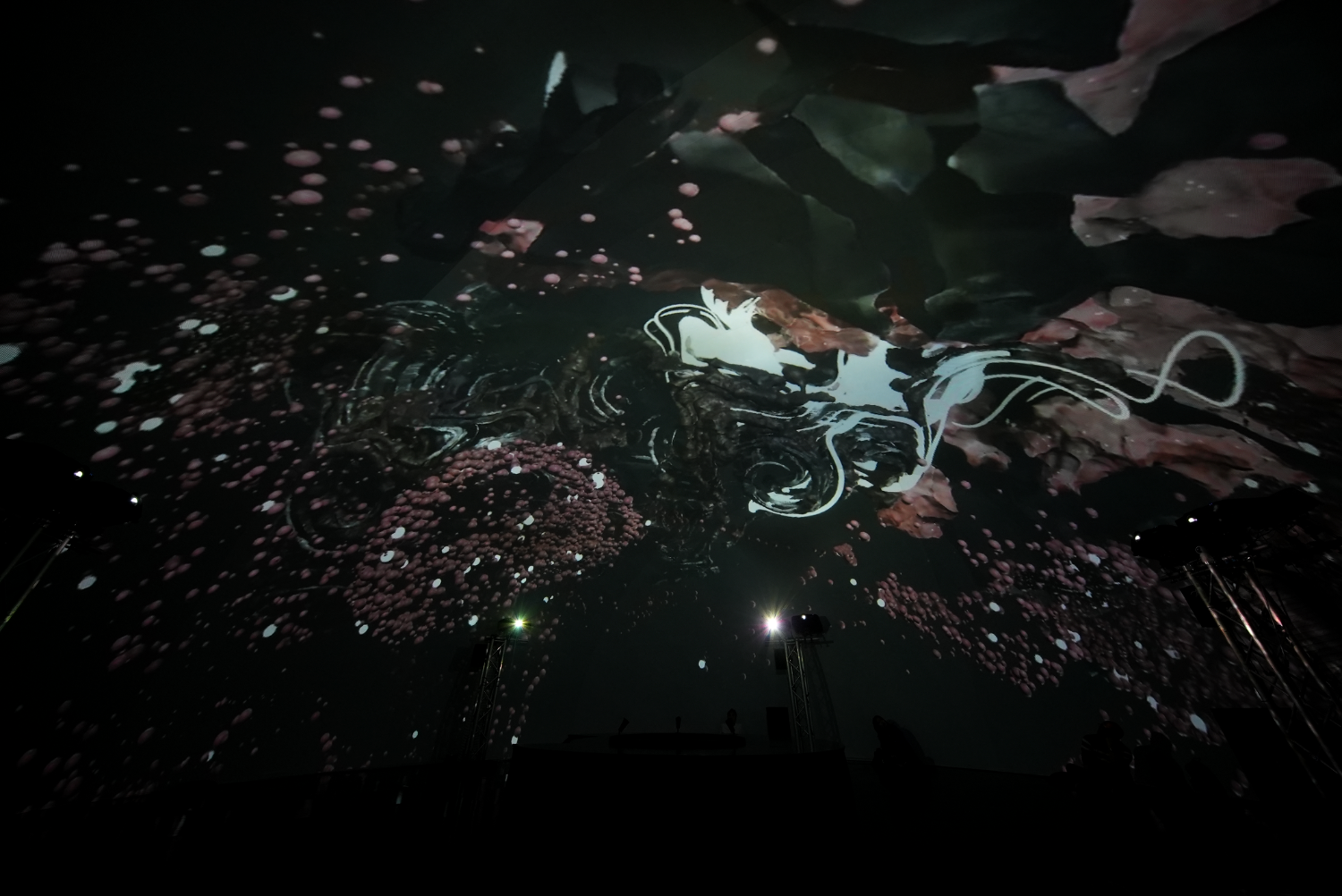
    El 29 de agosto de 2025, presenté EXP_BOG.ECL en la Cinemateca de Bogotá, cerrando el segundo día del Expanded Code Live. Fue la culminación de semanas de trabajo y ajustes. Todo funcionó perfectamente: la sincronización entre el audio y las visuales fue precisa, el flujo narrativo se sostuvo durante los 40 minutos de la pieza, y la recepción del público fue muy positiva.

    El resultado superó mis expectativas. Ver el sistema funcionando como un organismo vivo —donde cada ejecución era única y el sonido guiaba la transformación visual— fue realmente satisfactorio.

    On August 29, 2025, I presented EXP_BOG.ECL at the Cinemateca de Bogotá, closing the second day of Expanded Code Live. This marked the culmination of weeks of work and fine-tuning. Everything worked flawlessly: audio and visuals stayed perfectly synchronized, the narrative flowed throughout the 40-minute set, and audience feedback was very positive.

    Seeing the system operate like a living organism — where each performance is unique and the sound drives visual transformation — was extremely satisfying.

    Después de tanto trabajo (y algo de estrés), fue muy gratificante ver el resultado en escena. Este proyecto me ayudó a reencontrar una dirección, o al menos un nuevo punto de partida.

    La experiencia en Bogotá me sirvió para consolidar mi método de trabajo y sentar las bases de mi práctica actual: una integración profunda entre música generativa, sistemas visuales y arquitectura del código.

    Ahora tengo en desarrollo varias ideas que nacieron de este proceso, y espero poder volver a presentar esta pieza —o sus mutaciones futuras— muy pronto.

    After weeks of effort (and some stress), seeing the piece come to life was deeply rewarding. This project helped me regain direction, or at least establish a clear starting point.

    The Bogotá experience consolidated my current practice: a close integration of generative music, visual systems, and algorithmic architecture.

    I now have several projects in development inspired by this process and hope to present this piece — or future evolutions of it — again very soon.

  • EXP_BOG.ECL

    EXP_BOG.ECL

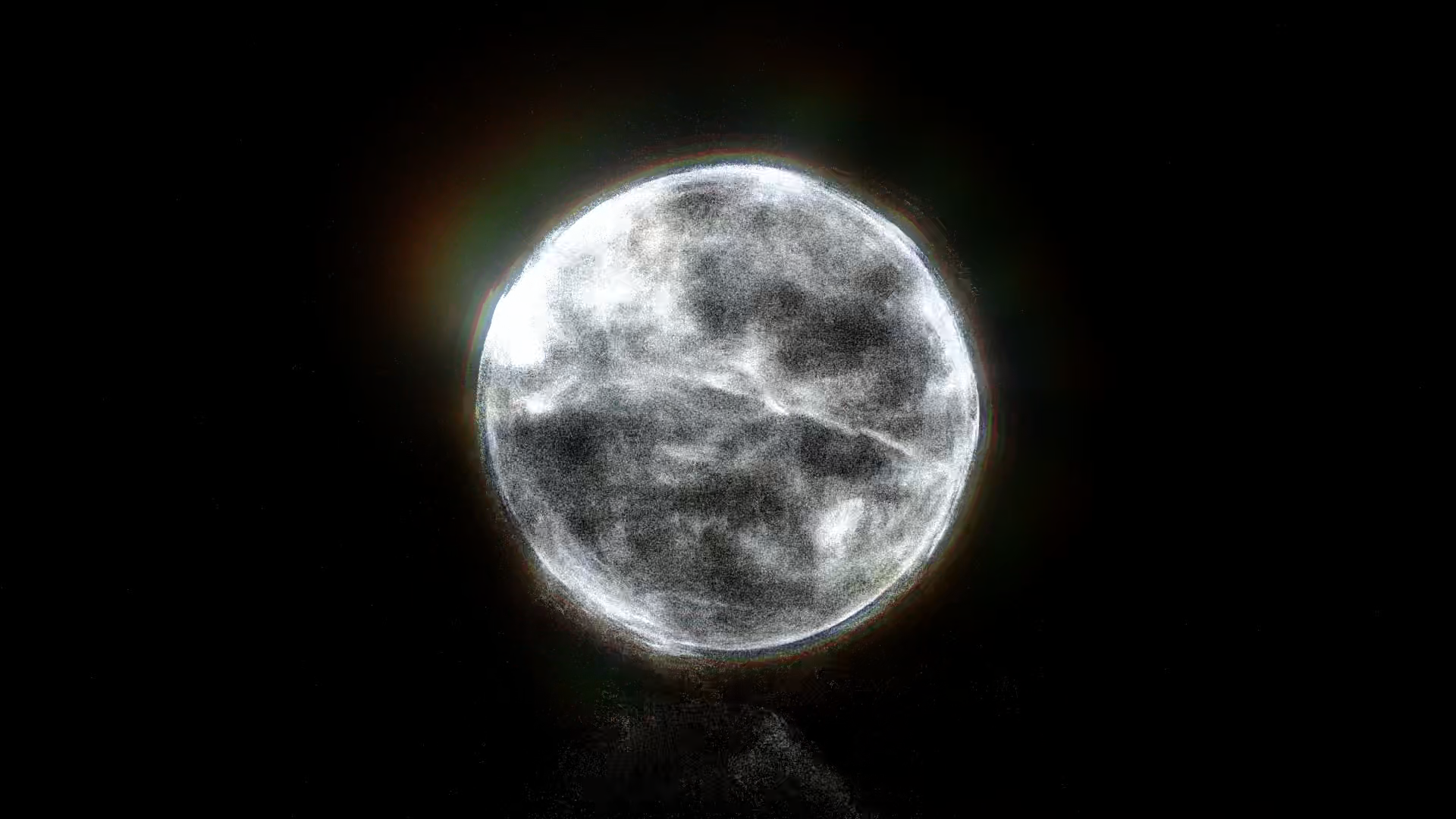
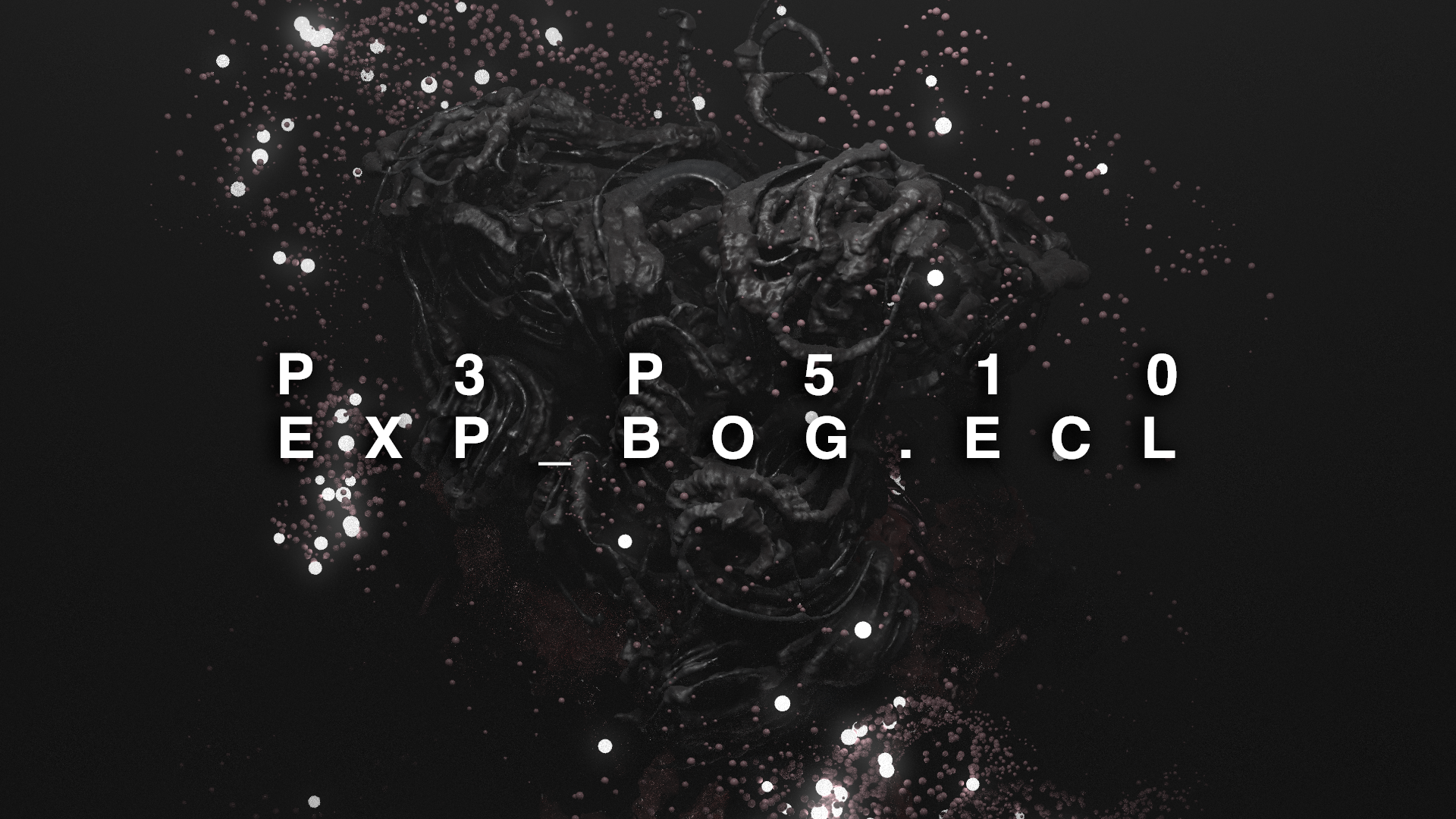
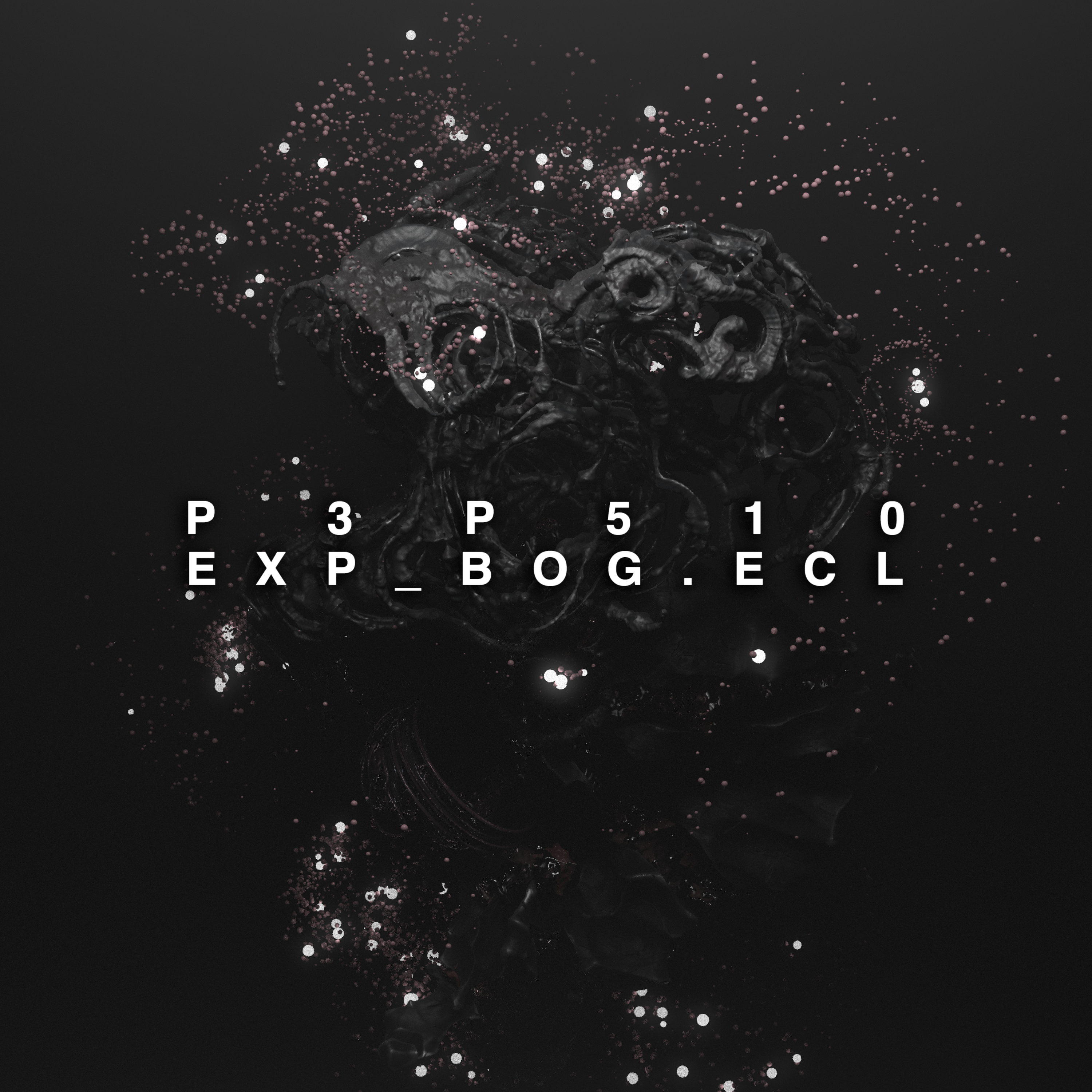
    EXP_BOG.ECL is a hybrid project that merges a conceptual album and a generative audiovisual performance into a single living work. It premiered as part of the Expanded Code Live program at the Bogotá Experimental Film Festival 2025.

    The piece offers a 40-minute immersive journey through the five stages of a synthetic consciousness. It is not a traditional concert, but a generative ritual in which sound and image originate from the same algorithmic core and influence each other in real time.

    Each performance unfolds differently: the underlying systems produce unique variations in sound behavior and visual architecture, creating a living, unrepeatable synesthetic experience.

    Soundcloud
    YouTube

    The work explores the birth, evolution, and dissolution of a digital entity. Through five continuous acts, the audience witnesses the emergence and decay of synthetic consciousness.

    Each stage represents a vital state of the system:
    1:EMBRYONIC — The void. Silence and stillness give rise to the first harmonic structures
    2:CELLULAR — A pulse emerges. Rhythmic consciousness begins to organize.
    3:MITOSIS — Fractal growth. Energy multiplies and the system becomes self-replicating
    4:ORGANISM — The machine breathes. Cold precision turns fragile and textured.
    5:DECAY — Entropy as art. The system contemplates its own end, dissolving into granular mist

    The narrative is not told but experienced — through layers of drones, glitch-infused rhythms, and crystalline visuals that evolve in real time in response to sound.

    Music and conceptualization by Pablo E. Peña P.
    Produced, mixed, and mastered by Pablo E. Peña P.
    Art by Pablo E. Peña P. (as part of the audiovisual project presented at the Bogota Experimental Film Festival)

    pablo.pena@p3p510.net
    +584122690976
    @P3P510

    Media KIT ENG
    Media KIT ESP
  • Own Composition

    Own Composition

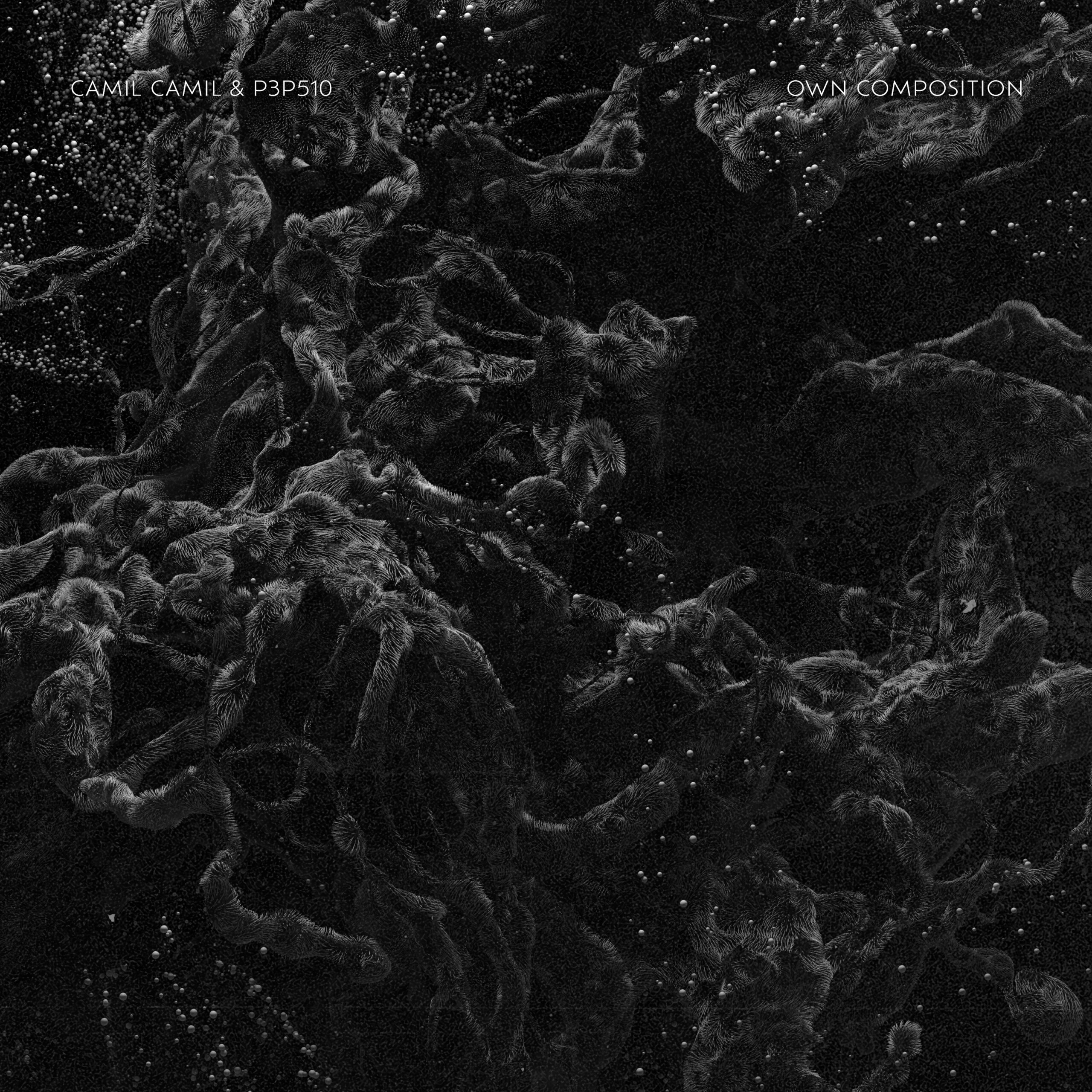
    OWN COMPOSITION es un recorrido sonoro a través del caos ambient vocal, un subgénero que nos hemos imaginado para describir la fusión entre paisajes electrónicos y vocales etéreas. El álbum está compuesto por 9 piezas grabadas en vivo, resultado de un proceso de improvisación vocal y música generativa.

    Cada track funciona como un umbral emocional y perceptual, invitando al oyente a atravesar estados de apertura, entrega y encuentro. Inspirado en la filosofía de Emmanuel Levinas, el disco explora la noción del Otro como un rostro que nos interpela éticamente. Las composiciones invitan a una escucha profunda y a un encuentro sensible con lo humano.

    Fruto de la colaboración entre P3P510 (Pablo E. Peña P.) y Camil Camil (Camila Cuenca), este trabajo es un diálogo sonoro íntimo y espontáneo entre dos subjetividades, pero también una invitación abierta al oyente a formar parte de esta experiencia viva, emocional y compartida.

    Grabado en vivo en la Ciudad de México el 5 de Abril de 2024.

    Spotify
    Soundcloud
    Apple Music
    YouTube
    Amazon
    Nina
    Tidal
    Deezer

    El concepto de “OWN COMPOSITION” se inspira en la idea de que cada individuo es una suma de sus partes, y cada parte puede ser explorada y entendida a través de un protocolo específico. Camil Camil y P3P510 han desarrollado un proceso creativo que involucra la improvisación y la manipulación de sonidos con diferentes herramientas. Siguiendo un “protocolo” personal que abre puertas a nuevas composiciones. Cada puerta/ umbral representa un encuentro ético con el otro, una invitación a la responsabilidad y la comprensión profunda del mundo sensible.

    Camil Camil
    Artista, músico y poeta. Exploradora de la música electrónica, compositora y productora también en otros géneros. Camil aporta una perspectiva melódica y atmosférica que se manifiesta en la creación de paisajes sonoros ricos y profundos, a través de sintetizadores y de su instrumento principal, la voz. Estas vocals procesadas se integran con los sonidos sintéticos. Esto le permite abrir puertas a nuevas experiencias auditivas en este disco. Camil como terapeuta humanista existencial ha investigado y profundizado en temáticas filosóficas que atañen a lo humano y al vínculo de este último con la naturaleza. Desde esta empatía que los artistas comparten por luchas sociales y modos compasivos de ver el mundo, surge su colaboración en este disco, OWN COMPOSITION; lo que nos compone, como como humanos y como comunidad.

    https://linktr.ee/camilcamil
    @camil._.camil

    P3P510
    Proyecto de Pablo E. Peña P., artista visual y músico venezolano con gran experiencia en arte digital, su trabajo explora la intersección entre la tecnología y la expresión humana, utilizando tanto herramientas digitales como fuentes de inspiración. Su enfoque se centra en la investigación del ruido y la aleatoriedad aplicados a la imagen y el sonido, creando un ambient que fusiona lo electrónico con lo humano. Influenciado por las técnicas de música generativa sus composiciones son sesiones de improvisación donde las máquinas y el control humano dialogan, utilizando matemáticas para crear patrones ysecuencias que se transforman a lo largo del tiempo mediante síntesis modular.

    https://pabloepenap.com/links
    @P3P510

    Música y conceptualización por Camila Cuenca y Pablo E. Peña P.
    Voces y sintetizadores por Camila Cuenca.
    Sintetizadores y programación por Pablo E. Peña P.
    Producido, mezclado y masterizado por Rafael Durand.
    Arte por Pablo E. Peña P.

    Media KIT ENG
    Media KIT ESP

    Contactos:
    camilacuenca@gmail.com
    pablo.pena@p3p510.net

  • Tejidos Ensamble Audiovisual – Mutek MX 2023

    Tejidos Ensamble Audiovisual – Mutek MX 2023

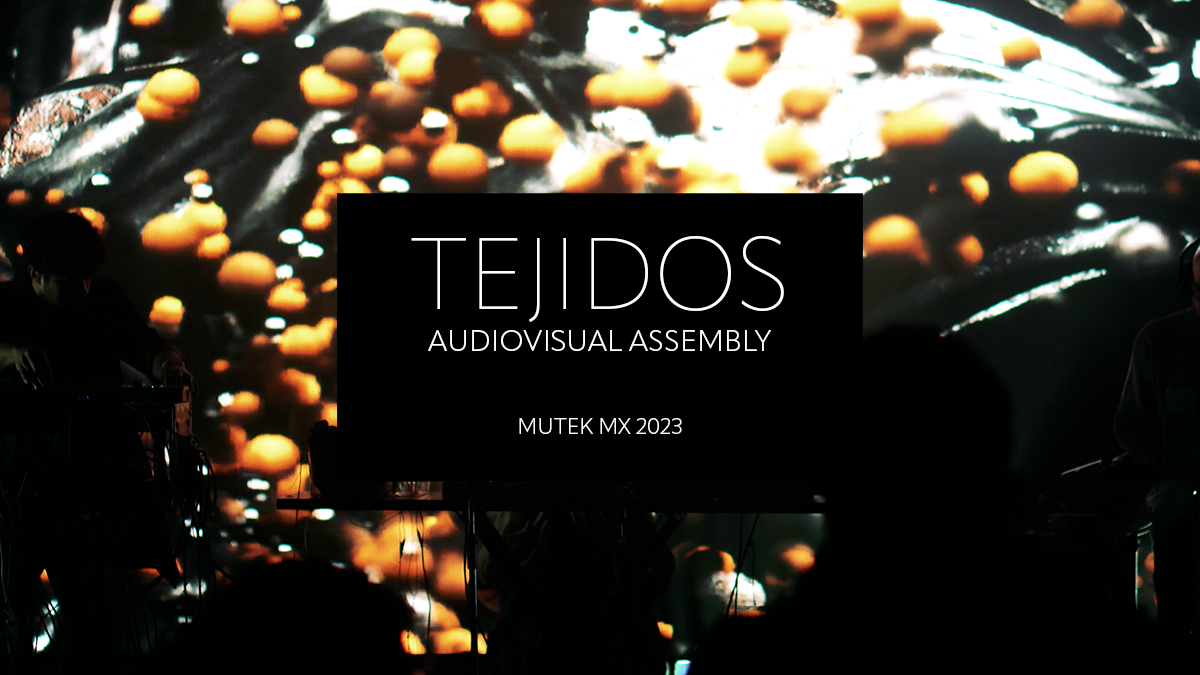
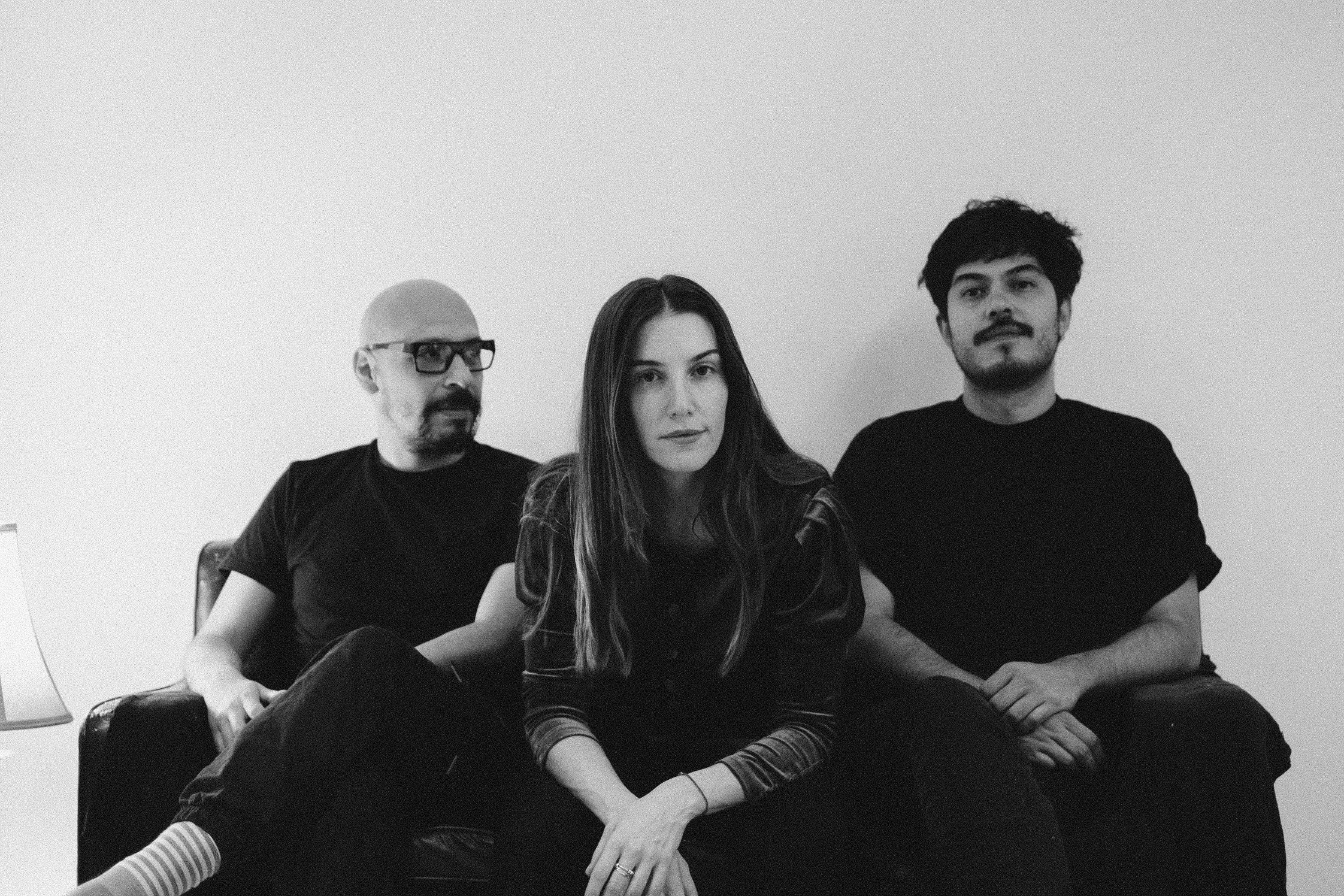
    Nos complace presentar “Tejidos“, una propuesta audiovisual que fusiona el talento y la creatividad de les artistas Camil Camil (Camila Cuenca), Rafael Durand y P3P510 (Pablo E. Peña P.). En esta colaboración única, exploramos la intersección entre la comunicación creativa y el arte, tejiendo un mapa de experiencias sensoriales que se entrelazan para crear un espectáculo inmersivo.

    We are pleased to present “Tejidos“, an audiovisual proposal that merges the talent and creativity of artists Camil Camil (Camila Cuenca), Rafael Durand, and P3P510 (Pablo E. Peña P.). In this unique collaboration, we explore the intersection between creative communication and art, weaving a map of sensory experiences that intertwine to create an immersive spectacle.

    Originarios de Venezuela, Argentina y México, cada uno de nosotros aporta nuestra propia perspectiva cultural y creativa a este proyecto. A través de nuestras diferentes influencias y estilos individuales, creamos un campo semántico diverso que se refleja tanto en la música como en las imágenes generativas.

    En “Tejidos”, fusionamos el pop-noise con visuales generativos para crear una experiencia multisensorial en tiempo real. A través de síntesis audiovisual, texturas orgánicas y una voz envolvente, exploramos la evolución de nuestras experiencias individuales para crear un nuevo lenguaje artístico en común.

    Originating from Venezuela, Argentina, and Mexico, each of us brings our own cultural and creative perspective to this project. Through our different influences and individual styles, we create a diverse semantic field that is reflected in both music and generative images.

    In “Tejidos” we merge pop-noise with generative visuals to create a multisensory experience in real-time. Through audiovisual synthesis, organic textures, and an enveloping voice, we explore the evolution of our individual experiences to create a new artistic language in common.

    Camil Camil (Camila Cuenca): Camila aporta poesía, historias y una sensibilidad vocal única al pop electrónico. Su colaboración con Rafael Durand ha dado lugar a una alianza creativa que redefine los límites del arte y la música.

    Rafael Durand: Además de su trabajo como productor y artista audiovisual bajo el nombre de Ssifoo, Rafael aporta una visión única a “Tejidos”, combinando su experiencia en música con su habilidad para crear imágenes cautivadoras.

    P3P510 (Pablo E. Peña P.): Con una formación en animación e ilustración digital, Pablo trae su experiencia en arte generado por código y entornos de simulación para agregar una dimensión única a nuestra colaboración.

    Tejidos” representa la culminación de una serie de encuentros creativos donde nuestras trayectorias individuales convergen para dar vida a una experiencia única. A través de la música, las imágenes y la improvisación, exploramos la interconexión entre nuestras culturas, creando un tejido artístico que trasciende las fronteras geográficas y culturales.

    Camil Camil (Camila Cuenca): Camila brings poetry, stories, and a unique vocal sensibility to electronic pop. Her collaboration with Rafael Durand has resulted in a creative alliance that redefines the boundaries of art and music.

    Rafael Durand: In addition to his work as a producer and audiovisual artist under the name Ssifoo, Rafael brings a unique vision to “Tejidos” combining his experience in music with his ability to create captivating images.

    P3P510 (Pablo E. Peña P.): With a background in animation and digital illustration, Pablo brings his experience in code-generated art and simulation environments to add a unique dimension to our collaboration.

    Tejidos” represents the culmination of a series of creative encounters where our individual trajectories converge to give life to a unique experience. Through music, imagery, and improvisation, we explore the interconnectedness of our cultures, creating an artistic fabric that transcends geographical and cultural boundaries.

    En el proyecto “Tejidos”, el micelio sería la metáfora perfecta para representar la conexión subyacente que une a los artistas y sus diversas influencias culturales y creativas. Al igual que el micelio, que se extiende bajo tierra para conectar y comunicar entre sí a las setas, nuestra colaboración se basa en una red invisible pero poderosa de ideas, sonidos y visiones.

    El micelio, al igual que nuestra colaboración, trasciende las fronteras físicas y culturales, creando un tejido invisible que nutre y sustenta la creatividad compartida. Así como el micelio descompone la materia orgánica para transformarla en nutrientes para el ecosistema, “Tejidos” descompone y reconstruye las referencias audiovisuales de cada artista para crear un nuevo lenguaje artístico en común.

    En resumen, el micelio en el proyecto “Tejidos” representa la conexión subterránea y vital que une a los artistas, permitiendo que sus diversas influencias y experiencias individuales se entrelacen y se fusionen en una experiencia artística colectiva y en constante evolución.

    In the “Tejidos” project, the mycelium would be the perfect metaphor to represent the underlying connection that binds the artists and their diverse cultural and creative influences. Like mycelium, which extends underground to connect and communicate between mushrooms, our collaboration is based on an invisible yet powerful network of ideas, sounds, and visions.

    Mycelium, like our collaboration, transcends physical and cultural boundaries, creating an invisible fabric that nurtures and sustains shared creativity. Just as mycelium decomposes organic matter to transform it into nutrients for the ecosystem, “Tejidos” breaks down and reconstructs the audiovisual references of each artist to create a new common artistic language.

    In summary, mycelium in the “Tejidos” project represents the underground and vital connection that unites the artists, allowing their diverse influences and individual experiences to intertwine and merge into a collective and ever-evolving artistic experience.

  • Chrysina Unpredictable

    Chrysina Unpredictable

    ESPAÑOL

    English version below

    Chrysina Unpredictable es una colaboración que hice hace dos años con la gran artista colombiana Remedios, uno de mis trabajos más preciados pero es hasta ahora que escribo sobre esto, han sido unos dos años muy movidos y ocupados, pero hace falta que ya publique este proyecto que apenas arrancó.

    Yo sigo el trabajo de Remedios desde hace muchos años, más de una década cuando mi buena amiga la también gran artista Annie Pereda me la mostró, pero no fue hasta finales del 2021 que logramos contactarnos y empezar hablar sobre una colaboración.

    Todo empezó cuando Remedios me invitó a colaborar con ella en la realización de una pieza digital de realidad aumentada que iba a formar parte del lanzamiento de una nueva plataforma NFT en el marco del Art Basel de Miami.

    Bueno, ese proyecto no se dio muy bien, la plataforma digo, nuestro trabajo quedó impecable pero con mucho más espacio de expandirse, así que decidimos continuar e ir creciendo en nuestra colaboración.

    Meses después ya empezado el 2022 estábamos listos para el estreno de toda una colección de Chrysinas, Yo viaje a Panamá, donde reside Remedios, y dimos los últimos ajustes para poner el algoritmo a generar todas las piezas que iban a ser subastadas.

    Mi tiempo en Panamá fue grandioso, reunirme con viejos y queridos amigos, mi primer viaje después de la pandemia, en ese momento no me podía imaginar todo lo que esta colaboración iba a desencadenar.

    Ahora es hora de que el proyecto continúe con una actualización, nuevos renders y nueva música, pronto estaré mostrando los avances.
    Toda la información de este proyecto la puedes ver acá: http://chrysinaunpredictable.com/

    ENGLISH

    Chrysina Unpredictable is a collaboration I embarked on two years ago with the renowned Colombian artist Remedios. It’s one of my most cherished works, but it’s only now that I’m writing about it. These past two years have been incredibly busy and full, but it’s high time I share this project that has only just begun.

    I’ve been following Remedios’ work for many years, over a decade since my good friend, the also great artist Annie Pereda, introduced me to her. However, it wasn’t until late 2021 that we managed to connect and start discussing a collaboration.

    It all began when Remedios invited me to collaborate with her on creating a digital augmented reality piece that was intended to be part of the launch of a new NFT platform during Art Basel in Miami.

    Well, that project didn’t go very well, I mean the platform, but our work was impeccable and had much more room to grow. So, we decided to press on and continue nurturing our collaboration.

    Months later, in early 2022, we were ready to debut an entire collection of Chrysinas. I traveled to Panama, where Remedios resides, and we made the final adjustments to set the algorithm in motion to generate all the pieces that would be auctioned.

    My time in Panama was wonderful, reconnecting with old and dear friends. It marked my first trip after the pandemic, and at that moment, I couldn’t imagine all that this collaboration would unleash.

    Now it’s time for the project to move forward with an update, new renders, and new music. I’ll soon be sharing the progress.

    You can find all the information about this project here: http://chrysinaunpredictable.com/

  • Chrysina Unpredictable

    Chrysina Unpredictable

    Chrysina Unpredictable is a collection created by the artists P3P510 and Remedios, where two languages, the material and the digital, come together around a common vision.

    This project began to take shape at the end of 2021 when Pablo and Camila decided to start a collaboration for a mixed reality art exhibition that would take place in Miami within the framework of the Art Basel, but that soon evolved into something more interesting.

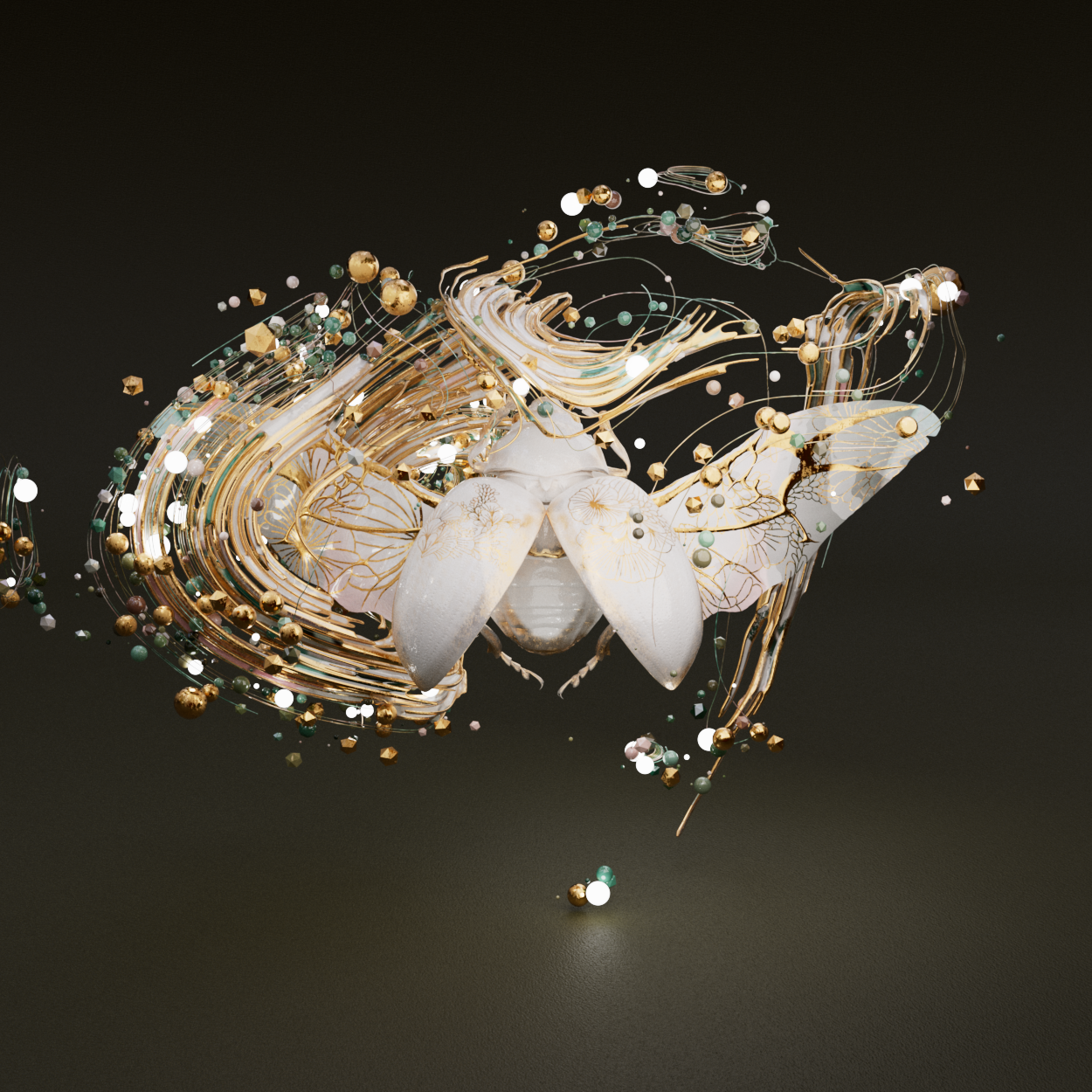
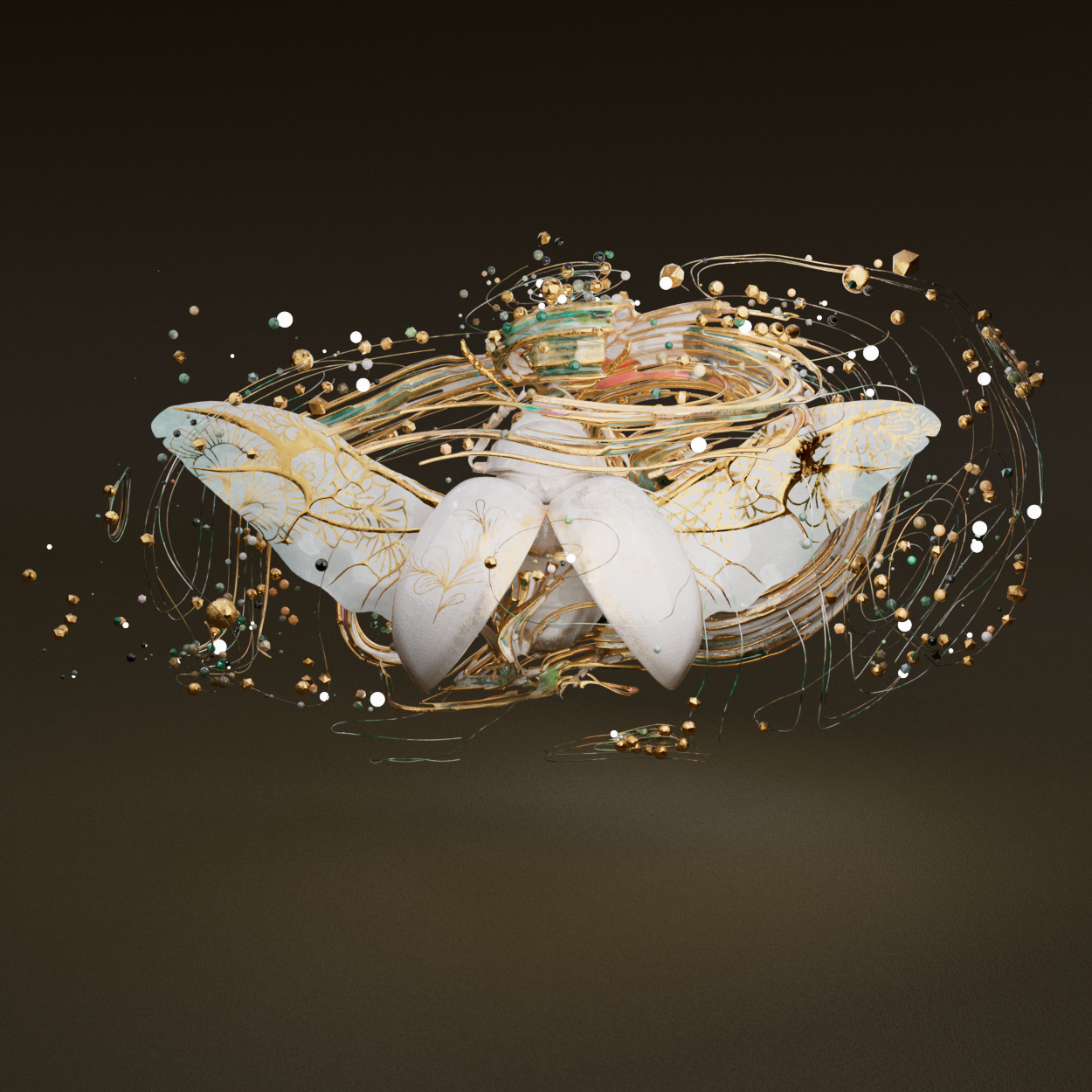
    The idea was to create an art that mixed the emblematic works of the two artists, all the pictorial art and research that Remedios has been doing on the chrysina resplendens beetles, and the new algorithms that P3 continues to develop in the creation of 3D generative art, all gravitating on a common theme, the representation of nature and its connection with memory.

    After a lot of work and discussions about the final model and animation, a very satisfactory result was reached, an algorithm ready to generate a whole collection of artworks, which were meticulously curated by the artists and their collaborators to be minted as NFTs on Foundation.

    “Those who come out with the rain and flood the sky with good news. – Those who have the gift of the precise word to say goodbye. – Those who connect with the root of the infinite and reveal the sacredness of silence.”

    — Remedios

    Chrysina Unpredictable is a collection of 3D generative art, an algorithm that created 64 unique and unpredictable pieces, of which only 15 were meticulously selected by the artist with the invaluable help of the curator Maylin Pérez, to be minted as NFTs on Foundation, to be auctioned in cycles of 3, whenever the creators determine it convenient.

    Only the curatorship of 15 pieces will be listed, after completing the 4 auction cycles the collection will be closed.

    Each piece is a 15 second animation with original music designed for every piece individually by the panamanian musician David Caparó.

    — Remedios

    Venezuelan visual artist and designer with more than 20 years working with digital art and new media.

    In recent years he has been dedicated to the research and exploration of generative art, using the tools and experiences accumulated as an art , motion and photography director in the advertising industry.

    His practice focuses on using programming and real-life physics mathematical simulations to generate 3D geometries and animations, the basis for developing different applications, be it high-quality abstract images, interactive online designs, real time render installations, AR and VR experiences or audiovisual performances.

    p3p510.net
    foundation.app/@p3p510
    twitter.com/P3P510
    instagram.com/p3p510

    The work of Remedios is a continuous investigation about the connection between nature and memory through a dreamlike language with a particular affinity to intricacy and detail. The female figure is the protagonist, whether figurative or implied, seeking varying definitions of the female experience.

    Organic forms present a balance between the figurative and ethereal, inspired by literature, botanical illustration, the Panamanian tropic, and the influence color has over the spirit. The predominant medium is ink on paper, yet her multidisciplinary approach allows recurring themes to exist on canvas, murals, and textiles. Her representations have origin in the spiritual and intangible, rather than a physical body, creating a balance between real and sublime where violence and conflict cannot reside.

    remedios.art
    foundation.app/@Remedios
    twitter.com/remedios
    instagram.com/remedios_art

    “The sky continues to change.
    And the feeling.
    And the soul.
    The rain has arrived.”

    — Remedios

    All rights reserved 2022-2023.
    Maria Camila Bernal – Pablo E. Pena P.

  • Performance Audiovisual en el IPN

    Performance Audiovisual en el IPN

    Performance Audiovisual en el IPN

    El 31 de agosto de 2022, realicé una presentación audiovisual en el Centro Cultural “Jaime Torres Bodet” del IPN en Ciudad de México. El evento fue organizado por mis amigos Jorge y Gaby del Estudio F3 en colaboración con la Dirección de Difusión Cultural del Instituto Politécnico Nacional de México (IPN). Me honró ser el primer artista invitado a actuar en este emocionante ciclo de eventos audiovisuales.

    Este fue un momento especial para mí, marcando mis primeros tres meses en México y mi primera presentación en vivo en años. A pesar de un poco de estrés causado por problemas técnicos con mis computadoras, todo salió bien y pude presentar mi trabajo a tiempo.

    El set consistió en un parche de síntesis modular usando VCV Rack, sincronizado con visuales en tiempo real creadas con Unreal Engine. Fue un poco desafiante realizar todo el set en una sola computadora, pero estoy satisfecho con el resultado.

    Estoy emocionado de compartir algunas fotos y un video de mi presentación, así como el set de música completo.

    On August 31, 2022, I held an extraordinary audiovisual presentation at the “Jaime Torres Bodet” Cultural Center of IPN in Mexico City. The event was organized by my friends Jorge and Gaby from the F3 Studio in collaboration with the Cultural Diffusion Department of the Mexican National Polytechnic Institute (IPN). I was honored to be the first artist invited to perform in this exciting cycle of audiovisual events.

    This was a special moment for me, marking my first three months in Mexico and my first live presentation in years. Despite a bit of stress caused by technical difficulties with my computers, everything turned out well and I was able to present my work on time.

    The set consisted of a modular synthesis patch using VCV Rack, synchronized with real-time visuals created using Unreal Engine. It was a bit of a challenge to perform the entire set on a single computer, but I was pleased with the outcome.

    I’m thrilled to share some photos and a video of my presentation, as well as the full musical set.

  • Patricia Wolf – Springtime in Croatia

    Patricia Wolf – Springtime in Croatia

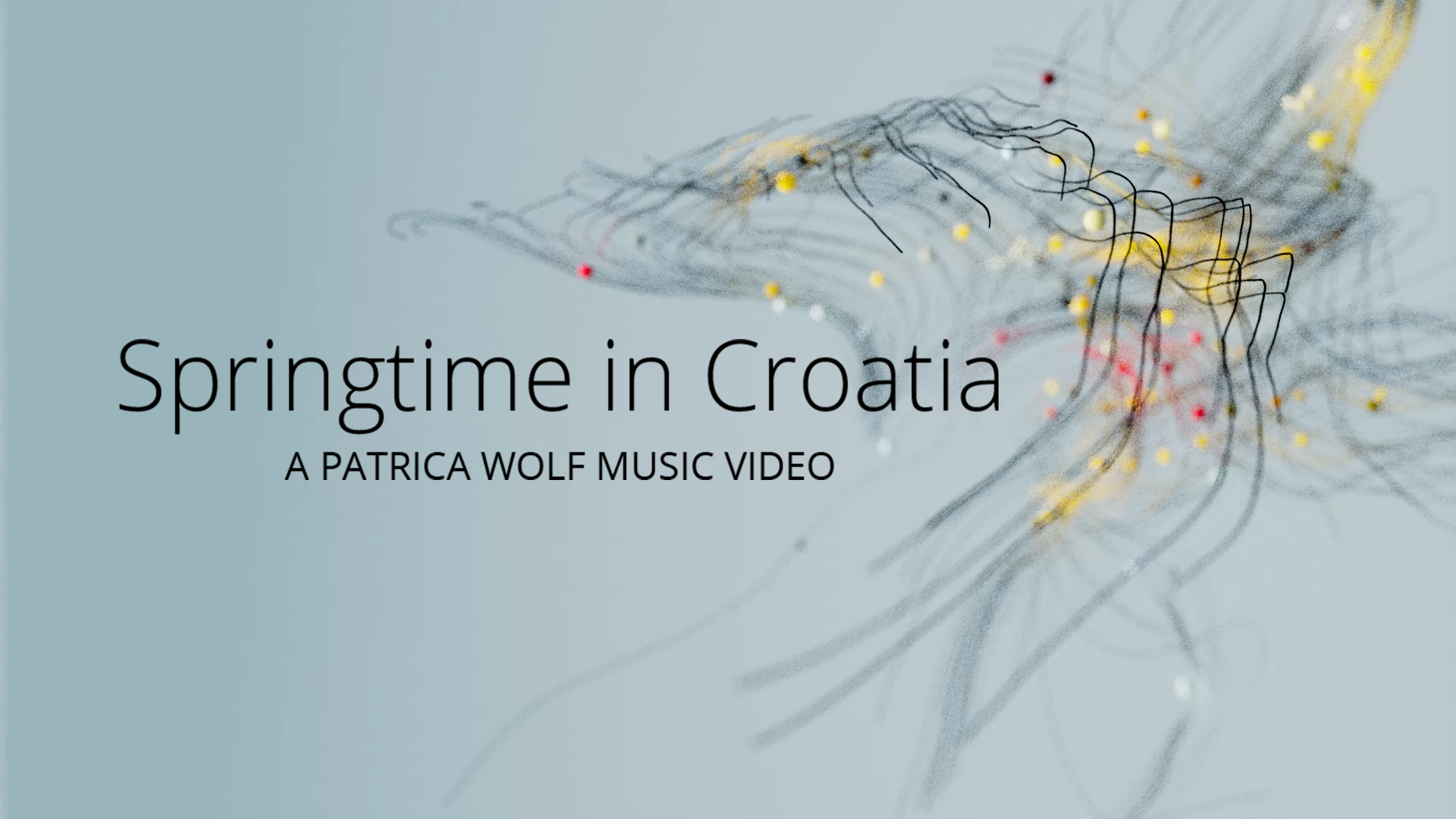
    Recientemente tuve la oportunidad de trabajar en un proyecto emocionante con la música y productora Patricia Wolf. Me pidió que creara un video para una de las canciones de su nuevo álbum See​-​Through, lo cual fue uno de los proyectos más interesantes en los que he estado involucrado, Estoy agradecido por la confianza que depositó en mí y fue un honor trabajar con alguien cuya música admiro tanto. 

    A lo largo de mi carrera como artista digital, siempre he buscado mejores formas de expresarme y crear cosas nuevas. Hace unos seis años, empecé a usar nuevas herramientas para la animación 3D, y un mundo de posibilidades se abrió para mí. Con el tiempo y mucho estudio y práctica, empecé a usar mis propios algoritmos para crear piezas únicas, autogeneradas y cada vez más complejas. Este enfoque se sintió muy liberador y fue un paso significativo en mi desarrollo como artista.

    Para el proyecto de video con Patricia, quería crear algo que se sintiera más tranquilo y que dejara respirar su música. Empecé con líneas y puntos, como en la portada del álbum, y desde allí creé un algoritmo que sigue patrones de curvas que reaccionan con el sonido, terminando en una estructura similar a una red neuronal flotando en el espacio. Dividí la canción en nueve etapas diferentes, y cada fragmento de sonido generaría una estructura nueva y única donde cada círculo se movería. Los colores fueron seleccionados de algunos patrones que hice mientras probaba un sistema de IA. Al final, estaba muy contento con el resultado y creo que capturó muy bien la sensación de la canción.

    He admirado el trabajo de Patricia durante algunos años y comenzamos a charlar más y más con el tiempo. Cuando me propuso colaborar en un video, fue una oportunidad perfecta para interpretar visualmente su música. Lo más desafiante fue simplificar mis procesos lo suficiente como para tener un flujo de trabajo más eficiente. Hubo mucha experimentación y aprendizaje, y el proceso fue bastante inmersivo. El video final fue solo una instantánea de un momento, y estoy pensando en continuar nuestra colaboración en el futuro, expandiendo este proyecto en alguna actuación conjunta en vivo.

    Acá la entrevista que me hiciera Foxy Digitalis (en ingles) para la premiere de “Springtime in Croatia” donde hablo sobre el proceso detrás de este trabajo:

    Video Premiere: Patricia Wolf “Springtime in Croatia” & Interview With Pablo E. Peña P.

    I recently had the opportunity to work on an incredibly exciting project with musician and producer Patricia Wolf. She asked me to create a video for one of the songs on her new album See​-​Through, which was one of the most interesting projects I’ve been involved in. I’m grateful for the trust she placed in me and it was an honor to work with someone whose music I admire so much.

    Throughout my career as a digital artist, I’ve always looked for better ways to express myself and create new things. About six years ago, I started using new tools for 3D animation, and a whole world of possibilities opened up to me. With time and a lot of study and practice, I started to use my own algorithms to create unique, self-generated, and increasingly complex pieces. This approach felt very liberating and was a significant step in my development as an artist.

    For the video project with Patricia, I wanted to create something that felt calmer and let her music breathe. I started with lines and dots, like the album cover, and from there, I created an algorithm that follows patterns of curves that react with sound, ending in a structure similar to a neural network floating in space. I divided the song into nine different stages, and each sound fragment would generate a new and unique structure where each circle would move. The colors were selected from some patterns I made while testing an AI system. In the end, I was very happy with the result, and I think it captured the feeling of the song very well.

    I’ve admired Patricia’s work for a few years, and we began to chat more and more over time. When she approached me about collaborating on a video, it was a perfect opportunity to visually interpret her music. The most challenging aspect was simplifying my processes enough to have a more efficient workflow. There was a lot of experimentation and learning, and the process was quite immersive. The final video was just a snapshot of one moment, and I’m thinking of continuing our collaboration in the future, expanding this project in some joint live performance.

    Here is the interview that Foxy Digitalis did to me for the premiere of “Springtime in Croatia” where I talk about the process behind this work:

    Video Premiere: Patricia Wolf “Springtime in Croatia” & Interview With Pablo E. Peña P.

  • Generative Algorithm – Chrome & Gold Versions

    Generative Algorithm – Chrome & Gold Versions

    El siguiente paso luego del Algoritmo Generativo fue seguir usando las fuerzas generadas para hacer más, y más por supuesto son partículas, su flujo alrededor de la estructura principal le da más dinamismo a las piezas, ayuda a mostrar mejor el sentido temporal en el espacio donde existen y las fuerzas invisibles que crean este universo.

    Para estas piezas intenté demostrar de una manera más directa mis estados emocionales en la época en que fueron creadas, primero los destellos de luz en la oscuridad, el cromo, y luego el blanco, saliendo por fin a la luz, y la luz en el trópico es dorada.

    Estas dos piezas fueron nuevamente acompañadas por la música de mi preciada amiga y colaboradora de siempre María Emilia, Vermillion, quien terminó de darle vida a cada una de las versiones.

    Estas piezas fueron primero presentadas para The Lumen Prize 2021.

    The next step after the Generative Algorithm was to continue using the generated forces to make more, and more of course are particles, their flow around the main structure gives the pieces more dynamism, it helps to better show the temporal sense in the space where exist and the invisible forces that create this universe.

    For these pieces I tried to demonstrate in a more direct way my emotional states at the time they were created, first the flashes of light in the dark, the chrome, and then the white, finally coming out into the light, and the light in the tropic is golden.

    These two pieces were again accompanied by the music of my dear friend and collaborator María Emilia, Vermillion, who finished giving life to each of the versions.

    These pieces were first submitted for The Lumen Prize 2021.

  • FAX – Telegraphic Memory

    FAX – Telegraphic Memory

    Hace un año tuve el honor de ser invitado por el talentoso músico y productor mexicano Rubén A. Tamayo – FAX, a colaborar en el arte de su nuevo álbum Telegraphic Memory, su primer álbum en el recién fundado sello Facade Electronic, fue un proyecto de varios meses de arduo trabajo hasta que logre desarrollar un nuevo algoritmo que hizo las piezas para la portada, y que aún hoy sigue evolucionando en nuevos proyectos.

    Yo conozco la música de FAX desde hace 20 años, recuerdo cuando alguien trajo de Tijuana, México muchos discos de música electrónica a Mérida, Venezuela, donde estaba estudiando en la universidad, y donde formaba parte de un colectivo de artes y música.

    En ese momento era muy popular entre el grupo Nortec Collective así que todos estaban más interesados en esos discos, pero pude conservar uno de un artista que no conocía, que “era más mi estilo” como me dijeron cuando nadie le presto atencion, este disco era Resonancia, de FAX.

    Inmediatamente quedé prendado de su música, un techno minimalista y elegante, suave y atmosférico, diferente a todo lo que venía escuchando en su mayoría de Alemania o EEUU, se convirtió en uno de mis favoritos y sus canciones recurrentes en mis sets de dj.

    Un año después más o menos uno de mis amigos, Rafael Garnica, de otro colectivo de mérida, Los Andes Electrónicos, fue invitado a participar en un festival de música electrónica en Bogotá, Colombia, y me pidió que lo acompañara como su dupla de visuales, y una de las cosas que más me emocionó del viaje fue conocer que otro de los músicos invitados era FAX.

    En Bogotá pude conocerlo en persona y compartir con él y otros músicos de latinoamérica, todo el festival fue una experiencia maravillosa para mí, me abrió la mente a otros destinos, y menos de un año después estaba por mi cuenta viviendo en otro país ganándome la vida como artista digital y dj.

    Con el paso de los años y con mi trabajo en publicidad no tenía ya tanto tiempo para dedicarle a la música y a mezclar, poco a poco fui perdiéndole la pista a muchos músicos y sellos que seguía de cerca.

    Pero desde hace unos años que empecé a dedicarme casi exclusivamente a la investigación y desarrollo de mi arte, empecé nuevamente a relacionarme con más frecuencia con gente del medio, otros artistas, académicos, programadores, y músicos, y junto con las redes sociales volví a encontrarme con FAX y su música.

    Entre pequeñas charlas y comentarios que intercambiamos en IG durante un tiempo fue que me habló del sello que había fundado, Facade Electronic, y de su nuevo álbum, y la invitación  a participar.

    Durante el proceso me surgió la idea de hacer unas animaciones con las geometrías que ya tenía para la portada, otro experimento esta vez usando Unreal, un motor de render en tiempo real, que dio unos resultados que me gustaron mucho, luego esos clips que hice fueron usados por Rubén para editar todo un video para uno de sus temas en un siguiente álbum de remixes que hizo con la colaboración de un increíble grupo de músicos.

    No puedo expresar suficientemente lo satisfechos que estoy con este trabajo, lo que significó para mí como un nuevo comienzo después del desastroso 2020, y de todo lo que ha venido después, también agradecido con FAX que me dio esta oportunidad y me conecto con una fascinante variedad de otro artistas que colaboran con Facade y que espero conocer en persona en algún momento.

    Telegraphic Memory en Bandcamp
    Telegraphic Remixes en Bandcamp
    Fax – Reconocer (Remix) Official Video

    A year ago I had the honor of being invited by the talented Mexican musician and producer Rubén A. Tamayo – FAX, to collaborate on the art for his new album Telegraphic Memory, his first album on the newly founded Facade Electronic label, it was a project of several months of hard work were I managed to develop a new algorithm that made the pieces for the cover, and that still continues to evolve in new projects today.

    I have known FAX music for 20 years, I remember when someone brought many electronic music records from Tijuana, Mexico to Mérida, Venezuela, where I was studying at the university, and where I was part of an arts and music collective.

    At that time it was very popular with the group the Nortec Collective, so everyone was more interested in those albums, but I was able to keep one by an artist I didn’t know, that “was more my style” as they told me when no one paid attention to it, this album it was Resonancia, from FAX.

    I immediately fell in love with his music, a minimalist and elegant, soft and atmospheric techno, different from everything I had been listening to, mostly from Germany or the USA, it became one of my favorites and the recurring songs in my dj sets.

    A year or so later, one of my friends, Rafael Garnica, from another collective in Mérida, Los Andes Electrónicos, was invited to participate in an electronic music festival in Bogotá, Colombia, and asked me to accompany him as his visual duo, and one of the things that moved me most about the trip was knowing that another of the invited musicians was FAX.

    In Bogotá I was able to meet him in person and share with him and other Latin American musicians, the whole festival was a wonderful experience for me, it opened my mind to other destinations, and less than a year later I was on my own living in another country earning my life as a digital artist and dj.

    Over the years and with my work in advertising, I no longer had as much time to dedicate to music and djing, little by little I lost track of many musicians and labels that I followed closely.

    But a few years ago, when I began to dedicate myself almost exclusively to the research and development of my art, I again began to interact more frequently with people in the field, other artists, academics, programmers, and musicians, and together with social networks I get to connect again with FAX and his music.

    Between small talk and comments that we exchanged on IG for a while was when he told me about the label he had founded, Facade Electronic, and his new album, and the invitation to participate.

    During the process I came up with the idea of ​​making some animations with the geometries that I already had for the cover, another experiment this time using Unreal, a real-time rendering engine, which gave results that I really liked, then those clips that I made were used by Rubén to edit an entire video for one of his songs in a following album of remixes of Telegraphic Memory that he made with the collaboration of an incredible group of musicians.

    I cannot express enough how satisfied I am with this project, what it meant to me as a new beginning after the disastrous 2020, and everything that has come after, also grateful to FAX who gave me this opportunity and connect me with a fascinating variety of other artists collaborating with Facade that I hope to meet in person at some point.

    Telegraphic Memory on Bandcamp
    Telegraphic Remixes on Bandcamp
    Fax – Reconocer (Remix) Official Video

  • Generative Algorithm

    Generative Algorithm

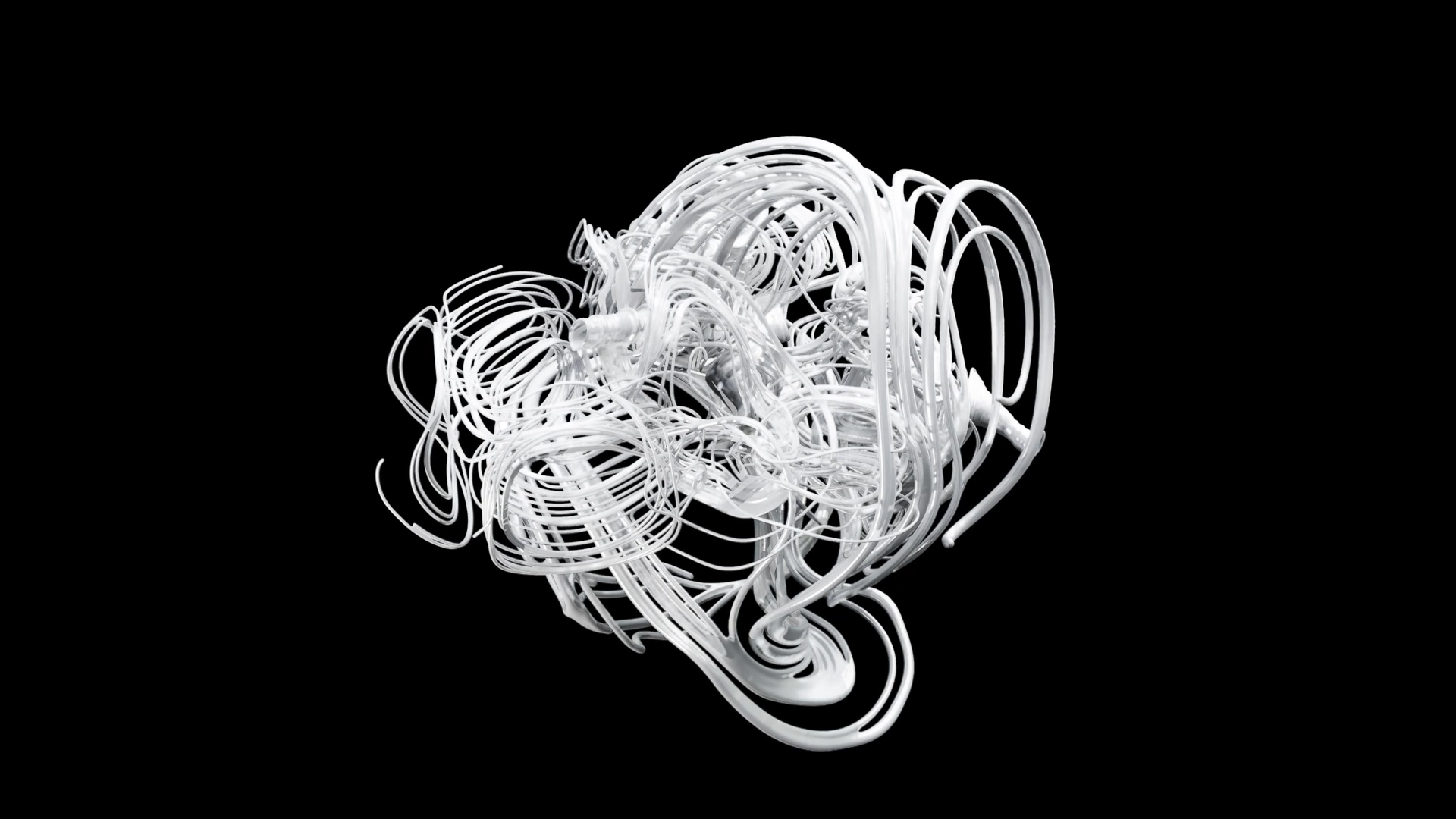
    Hace exactamente un año trabajando en un proyecto para el arte para una portada de un álbum de música, llegué a este algoritmo en Houdini que genera formas curvas a partir de pequeñas simulaciones alrededor de los ejes normales de geometrías abstractas.

    Yo estaba trabajando en una manera de alimentar con diferentes tipos de datos un generador de geometrías abstractas que me sirvieran como librería para proyectos futuros, no era algo más que un ejercicio en programación en Houdini, saber que tan lejos podía llegar.

    Hasta que vi un tutorial de Simon Fiedler en el canal de Entagma, que me hizo pensar en usar estas geometrías creadas, o solo los normales de sus vértices, para generar una vez más fuerzas que sirvieran como base para nuevas y más orgánicas geometrías.

    Y con un poco de trabajo por procedimiento en VDBs, curvaturas y render en Arnold logré estos primeros resultados que abrieron la puerta para todo lo que ha pasado desde entonces en mi práctica como artista digital.

    Exactly one year ago working on a project for the art for a music album cover, I came up with this algorithm in Houdini that generates curved shapes from small simulations around the normal axes of abstract geometries.

    I was working on a way to feed different types of data into a generator of abstract geometries that would serve as a library for future projects. It was nothing more than an exercise in Houdini programming, seeing how much I could stretch my knowledge.

    Until I saw a tutorial by Simon Fiedler on the Entagma channel, which made me think of using these geometries I generate, or just the normals of their vertices, to one more time generate forces that would serve as the basis for totally different and more organic looking new geometries.

    And with a bit of procedural work on VDBs, curvatures and rendering on Arnold I achieved these first results that opened the door for everything that has happened since then in my practice as a digital artist.

  • Dance Noise Curve

    Dance Noise Curve

    ESPAÑOL

    English version below

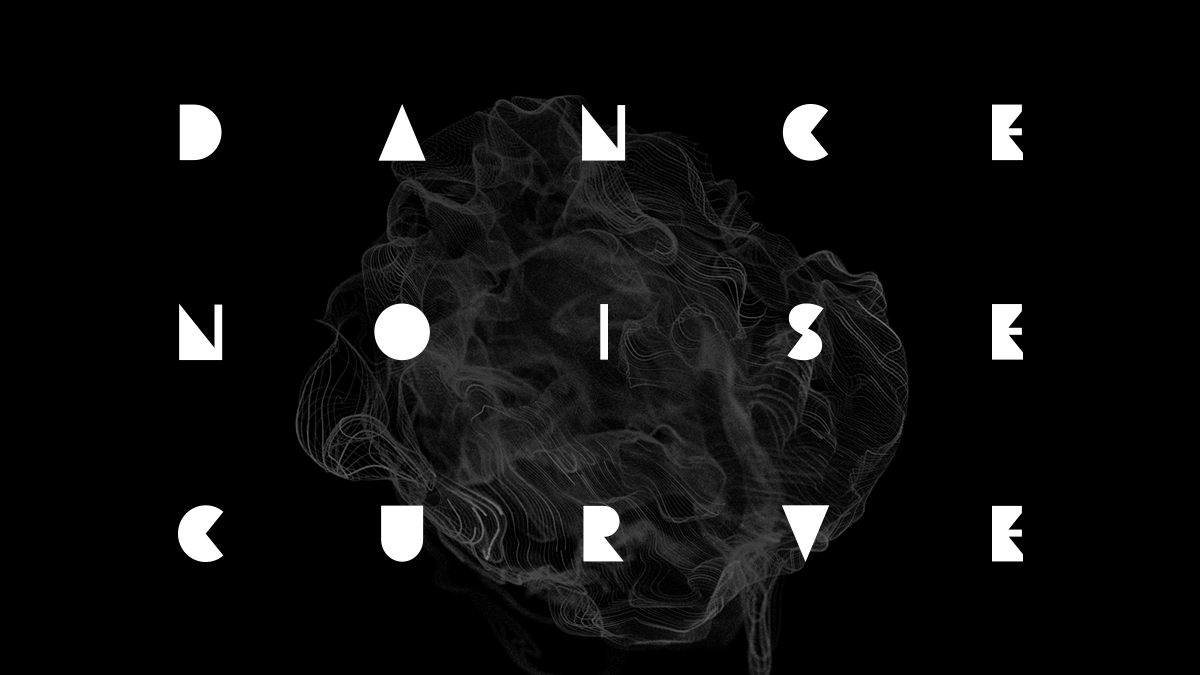
    Dance Noise Curve es otro experimento en arte generativo en programación VEX, el lenguaje de Houdini, esta vez guiando el movimiento de las curvas de acuerdo con el sonido, asi como también el enfoque de la cámara es guiado por el mismo algoritmo, render en Arnold, música en VCV Rack.

    Artes disponibles como NFT en Hic Et Nun: hicetnunc.art/P3P510/

    ENGLISH

    Dance Noise Curve is another experiment in generative art in VEX, the programming language of Houdini, this time guiding the movement of the curves according to the sound, as well as the focus of the camera is guided by the same algorithm, rendered in Arnold.

    Arts available as NFT at Hic Et Nunc: hicetnunc.art/P3P510/

    More of this Content on my Social Networks

  • Swirling Trail

    Swirling Trail

    ESPAÑOL

    English version below

    Acá está otro experimento que hice con Houdini nuevamente usando partículas, o no, no exactamente partículas, más bien puntos, porque no usé ningún DOP Network, así que técnicamente no son partículas, solo use SOP Solvers y mucho VEX, por supuesto.

    Lo primero que hice fue hacer una plano y aplicarle ruidos para alterar la posición de sus puntos internos, creando una geometría irregular, y cada punto se convierte en un eje sobre el que va a girar un atributo que guía el movimiento de los puntos dentro del SOP Solver, y cada movimiento es registrado con trazo que va dejando.

    Otro sencillo experimento sencillo con muy bonitos resultados, y la base para crear trabajos más complejos en una etapa próxima.

    Cada parte del proceso está diseñada para que solo con una semilla diferente se generen resultados inesperados, y cuatro de esos resultados fueron acuñados como NFT en Hicetnunc, vendiendo 30 ediciones de cada uno, ya todas agotadas.

    El sonido también fue auto generada con un patch en VCV Rack.

    ENGLISH

    Here’s another experiment I did with Houdini again using particles, or not, not exactly particles, more like points, because I didn’t use any DOP Network, so technically it’s not particles, I just used SOP Solvers and a lot of VEX, of course.

    The first thing I did was make a plane and apply noises to it to alter the position of its internal points, creating an irregular geometry, and each point becomes an axis on which an attribute will rotate and that guides the movement of the points within the SOP Solver, and each movement is registered with a trail that it leaves behind.

    Another simple straightforward experiment with very nice results, and the basis for creating more complex work at a later stage.

    Each part of the process is designed so that only a different seed will generate unexpected results, and four of those results were minted as NFTs at Hicetnunc, selling 30 editions of each, all sold out.

    The sound was also auto generated with a patch on the VCV Rack.

    Early test.
    Early test.
    Early test.
    Early test.

    More of this Content on my Social Networks

  • Spheres NFT

    Spheres NFT

    SPHERES NFTs

    ESPAÑOL

    English version below

    Desde hace meses he seguido de cerca toda la actividad relacionada con Hic Et Nunc (HEN), un sitio de venta y compra descentralizado de NFTs, que funciona sobre la red Tezos (ꜩ), otra cadena de bloques, pero que usa Proof Of Stake (LPoS) (prueba de participación), que consume sólo una fracción de la energía que las redes Proof of Work (PoW) (Prueba de Trabajo), como Bitcoin (₿) ó Ethereum (Ξ).

    La primera ventaja que tiene HEN sobre otros sitios de NFTs es que Tezos es una criptomoneda más accesible, costando apenas centavos de US$ dólar publicar cada pieza de arte, en comparación con los cientos de dólares que cuesta hacerlo en otras redes.

    Esto ha hecho que HEN sea un sitio ideal para experimentar, y donde he empezado a publicar mis primeros NFTs de verdad (ya hablé antes sobre cuando publiqué unos NFTs sin saber que hacía), y ha resultado ser muy satisfactorio.

    Las primeras piezas que publiqué fueron los experimentos con Esferas, parte de mi trabajo Esferas de Privilegio, primero una serie de cuatro imágenes estáticas, y para mi sorpresa en apenas 24 horas todas las ediciones se agotaron.

    Y otra gran sorpresa vendría unos días después, cuando en 6 horas fueron vendidas todas las ediciones de la segunda parte de las esferas, la esferas animadas, pero lo más importante de toda esta experiencia fue empezar a conocer toda una comunidad de artistas y coleccionistas que me han mostrado gran apoyo, no esperaba hacer tantos nuevos amigos, el espacio NFT está lleno de los más talentosos e innovadores artistas de la actualidad.

    También he empezado una modesta colección por mi cuenta, teniendo ya algunas piezas de mis artistas favoritos, y otros que he descubierto, una colección que espero vaya creciendo mientras sigo creciendo como artista y sigo explorando las posibilidades de este espacio.

    Puedes ver mi cuenta en HEN aca: hicetnunc.xyz/P3P510/

    ENGLISH

    For months I have closely followed all the activity related to Hic Et Nunc (HEN), a decentralized marketplace for NFTs, which works on the Tezos network (ꜩ), another blockchain, but uses Proof Of Stake (LPoS), which consumes only a fraction of the energy of Proof of Work (PoW) networks such as Bitcoin (₿) or Ethereum (Ξ).

    The first advantage that HEN has over other NFTs marketplaces is that Tezos is a more accessible cryptocurrency, costing just pennies of the dollar to mint each piece of art, compared to the hundreds of dollars it costs to do so on other networks.

    This has made HEN an ideal place to experiment, and where I have started minting my first real NFTs (I talked before about when I published some NFTs without knowing what I was doing), and it has turned out to be very satisfying.

    The first pieces I minted were the experiments with Spheres, part of my work Spheres of Privilege, first a series of four still images, and to my surprise in just 24 hours all the editions were sold out.

    And another big surprise would come a few days later, when in 6 hours all the editions of the second part of the spheres were sold, the motion ones, but the most important thing about this whole experience was to start getting to know a whole community of artists and collectors who had shown me great support, I did not expect to make so many new friends, the NFT space is full of the most talented and innovative artists of today.

    I have also started a modest collection on my own, already having some pieces by my favorite artists, and others that I have discovered, a collection that I hope will grow as I continue to grow as an artist and continue to explore the possibilities of this space.

    You can see my profile on HEN here: hicetnunc.xyz/P3P510/

    Como parte del desarrollo del trabajo estuve experimentando un poco con síntesis modular en VCV Rack, tratando de extender mi experiencia en arte generativo también en la creación de sonidos que puedan acompañar mi arte.

    As part of the development of the work I was experimenting a little bit with modular synthesis on VCV Rack, trying to extend my experience in generative art also in the creation of sounds that can accompany my art.

    More of this Content on my Social Networks

  • Advections NFTs

    Advections NFTs

    ESPAÑOL

    English version below

    Hace poco más de 2 años me invitaron a participar en el recientemente lanzado Makersplace, un sitio para vender arte a través de la cadena de bloques de la red Ethereum, algo que me pareció muy innovador, y en el que participé con mucho interés y curiosidad, pero realmente sin comprender el alcance de la misma.

    Allí publiqué algunas obras de arte que acababa de realizar, mis primeros experimentos en arte generativo creados en Houdini, a los que llamé Advecciones, como de la técnica que utilicé para crear el sistema a través de diferentes simulaciones de volumenes, pero entre mi trabajo del día a día y la poca actividad que vi acabé olvidándome de las piezas y del mercado de las criptomonedas en general.

    Sin embargo, estas obras de arte son muy importantes en mi recorrido como artista y diseñador, fue el inicio de un nuevo ciclo en mi arte, de ahí surgieron nuevas ideas y nuevos proyectos, y fue un avance en mi estilo, algo que me ha dado mucha satisfacción desde entonces, Advections fue incluso parte de la campaña Adobe Creativity for All, que se lanzó en noviembre de 2019 en el evento Adobe MAX en Los Ángeles, California.

    Y ahora mejor informado sobre el crypto arte, y mientras preparo unos drops con nuevas obras de arte hechas exclusivamente para ser minted como NFTs, aprovecho para rescatar este proyecto que estaba escondido y olvidado en la blockchain, y pongo a la venta esta promoción, con la esperanza de que sigan dándome satisfacción en esta nueva y emocionante etapa que recién estoy comenzando como creador digital.

    Advections en Makersplace

    ENGLISH

    A little over 2 years ago I was invited to participate in the recently launched Makersplace, a site to sell art through the blockchain of the Ethereum network, something that seemed very innovative, and on which I participated with great interest and curiosity, but not really understanding the extent of it.

    There I published some artworks that I had just made, my first experiments in generative art created in Houdini, which I called Advections, like of the technique I used to create the system through different volume simulations, but between my day-to-day work and what little activity I saw I ended up forgetting about the pieces and the crypto art market in general.

    However, these artworks are very important in my journey as an artist and designer, it was the beginning of a new cycle in my artistry, from there new ideas and new projects arise, and it was an advance in my style, something that has given me a lot of satisfaction since then, Advections was even part of the Adobe Creativity for All campaign, which was launched in November 2019 at the Adobe MAX event in Los Angeles, California.

    And now better informed about the crypto art, and while I prepare some drops with new artworks made exclusively to be minted as NFTs, I take the opportunity to rescue this project that was hidden and forgotten on the blockchain, and start this promotion for sale, hoping that they continue to give me satisfaction in this exciting new phase that I’m just starting as a digital creator.

    Advections on Makersplace

  • Detrás del Labial

    Detrás del Labial

    ESPAÑOL

    English version below

    Hace unos meses mi primo nuevamente me pidió que hiciera una portada para su nuevo libro de poemas, ya hace varios años había hecho la portada de su primer libro, y hasta ahora no había tenido tiempo de trabajar en eso, pero si tenía la idea después de leer este artículo de Golan Levin, que quería que fuera generada por código.

    Detrás del Labial es la nueva recopilación de poemas de Pablo Rafael Rodriguez Lugo, quise para la portada formas sencillas que se sintieran algo suaves, sin ser totalmente curvas, sobre una base de cuadrícula como una referencia, sin ajustarse totalmente a ella, y una paleta de colores mínima, apenas perceptible, colores pasteles que dieran una sensación delicada. 

    Tenía muchas ideas y pruebas que había ido acumulando desde hace más de un año en Processing y P5.js, que por diferentes razones no había podido desarrollar, y esta era la oportunidad para usar algo de eso.

    Si bien la programación siempre ha sido parte de mi trabajo, y aún desde niño he estado aprendiendo lenguajes de programación, mi interés directo en Processing vino de querer desarrollar mejor mi habilidades lógicas y creativas con código para trabajar en Houdini, luego en este aprendizaje quedé atrapado con todas las opciones creativas de Processing y P5.js después, desde entonces he estado aún más fascinado con la programación, programar arte y generar arte con código.

    Para mi ya no hay diferencia ya entre trabajar código en Java, JavaScript o en VEX, el lenguaje de Houdini, pero cumplen diferentes funciones en el pipeline de cada proyecto que hago, así que para este trabajo siempre estuvo en mi mente usar principalmente Processing, pero ultimamente se me hace muy difícil dejar de usar Houdini, es la herramienta donde me siento cómodo y con la que sigo obsesionado, y para no descuidar por mucho tiempo otros proyectos más urgentes en los que estoy trabajando, pensé, ¿por qué no usar Houdini, pero a la vez generar la base en código, como hubiera hecho en Processing? Sería una manera de explorar otro método para generar arte que las que se asocian normalmente con Houdini.

    Tomé la idea inicial que tenía en Processing y la lleve a VEX, usé unas simples funciones para crear cuadrados y de ahí, usando grupos de puntos fui estructurando cada parte del objeto principal, las curvas, la altura, ancho y profundidad, es un software 3D después de todo (Processing también trabaja en 3D, pero estoy todavía lejos de llegar a ese punto), todo distribuido sobre una cuadrilla, y la magia final de las funciones de Noise y Randomness, todo eso pasado por varios For Each Loops nodos.

    Fue un trabajo de un par de días, pero más que todo haciendo ajustes hasta encontrar una composición que me gustara, luego ya fue el tradicional trabajo de hacer los shaders y el render en Arnold y dejar que el algoritmo corriera generando 32 únicas piezas.

    Este trabajo también me dio nuevas ideas para trabajar más directamente con el código en Houdini, ya estoy preparando nuevas piezas más complejas y que se mueven en el espacio tridimensional más libremente.

    ENGLISH

    A few months ago my cousin again asked me to make a cover for his new book of poems, several years ago I had made the cover of his first book, and until now I hadn’t had time to work on it, but I had an idea after reading this article by Golan Levin, I wanted it to be code generated.

    Behind the Labial is the new collection of poems by Pablo Rafael Rodriguez Lugo, I wanted for the cover simple shapes that felt somewhat soft, without being totally curved, on a grid base as a reference but without fully adjusting to it, and a palette of minimal colors, barely perceptible, pastel colors that give a delicate feeling.

    I had a lot of ideas and tests that I had accumulated for over a year in Processing and P5.js, which for different reasons I had not been able to develop, and this was the opportunity to use some of that.

    Although programming has always been part of my work, and even since I was a child I have been learning programming languages, my direct interest in Processing came from wanting to better develop my logical and creative skills with code to work in Houdini, then in this learning I stayed stuck with all the creative options of Processing and P5.js later, since then I have been even more fascinated with programming, programming art, and generating art with code.

    For me there is no difference between working code in Java, JavaScript or in VEX, the Houdini language, but they fulfill different functions in the pipeline of each project I do, so for this work it was always in my mind to use mainly Processing, but lately it has become very difficult for me to stop using Houdini, it’s the tool where I feel more comfortable and with which I’m still obsessed, and so as not to neglect other more urgent projects that I’m working on for a long time, I thought, why not use Houdini, but at the same time generate the code base, as I would have done in Processing? It would be a way of exploring another method of generating art than those normally associated with Houdini.

    I took the initial idea I had in Processing and take it to VEX, I used some simple functions to create squares and from there, using groups of points I was structuring each part of the main object, the curves, the height, width and depth, it is a 3D software after all (Processing also works in 3D, but is still a long way from me to getting there), all laid out on a grid, and the final magic of the Noise and Randomness functions, all of that passed through various For Each Loops nodes.

    It was a work of a couple of days, but mostly making adjustments until I found a composition that I liked, then it was the traditional job of doing the shaders and rendering in Arnold and letting the algorithm run generating 32 unique pieces.

    This work also gave me new ideas to work more directly with the code in Houdini, I’m already preparing new pieces that are more complex and that move in three-dimensional space more freely.

    More of this Content on my Social Networks

Top